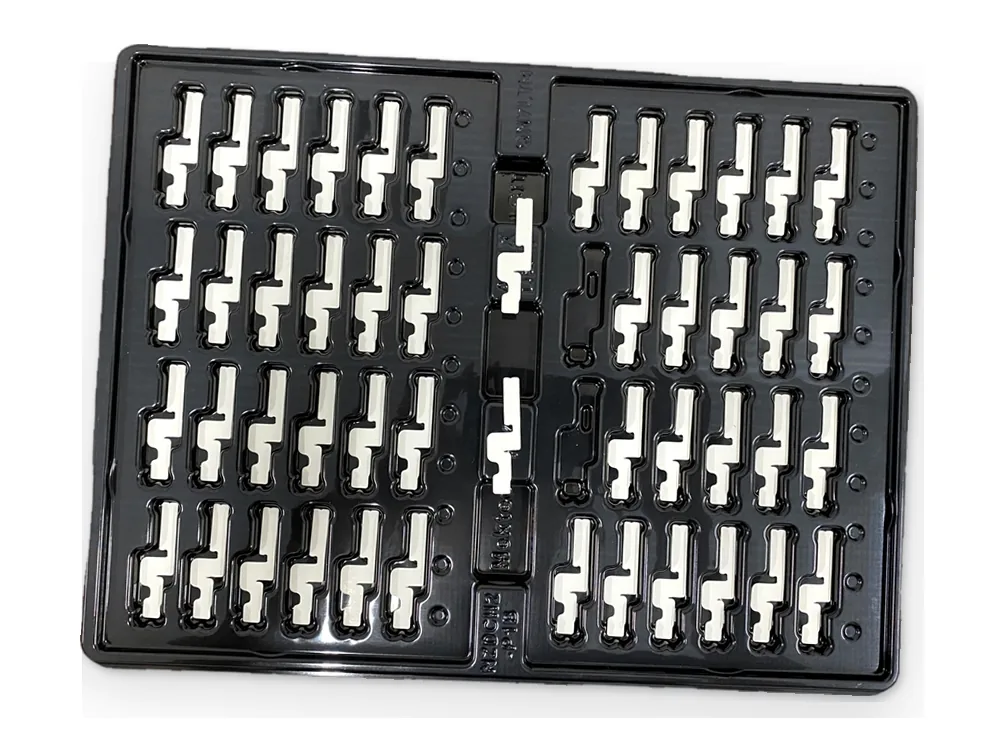
Semiconductor / PCB trays
Chips · FPC · PCB assemblies · components- Antistatic or conductive materials
- A pocket designed for every part, so nothing shifts or touches
- Clean-packed in a class-100 room after washing
Clean trays,
made for precision parts.
Tray design, thermoforming, washing and clean packing built around your part's shape, ESD protection and cleanliness requirements — with the structure verified against how your line picks and places.
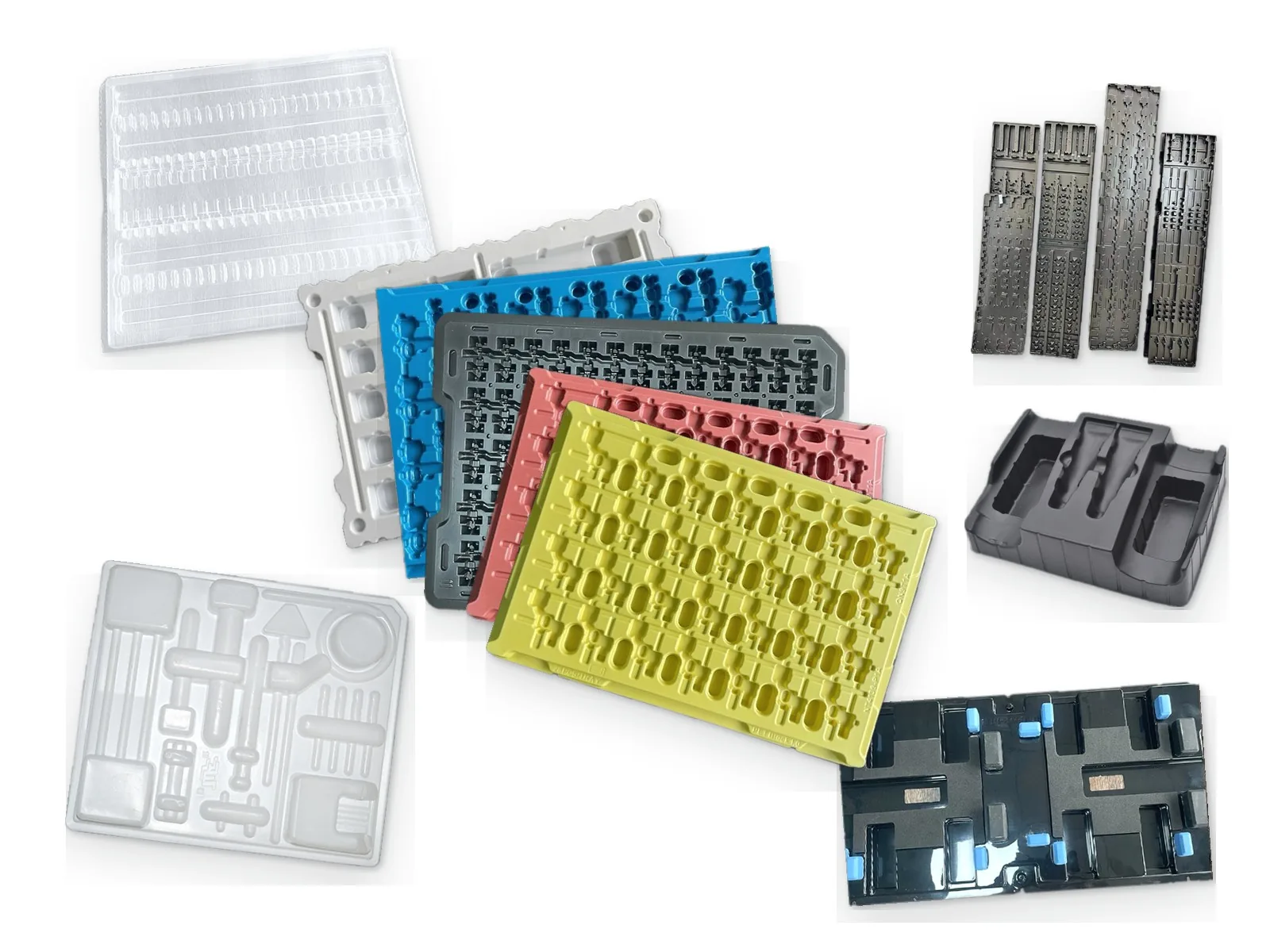
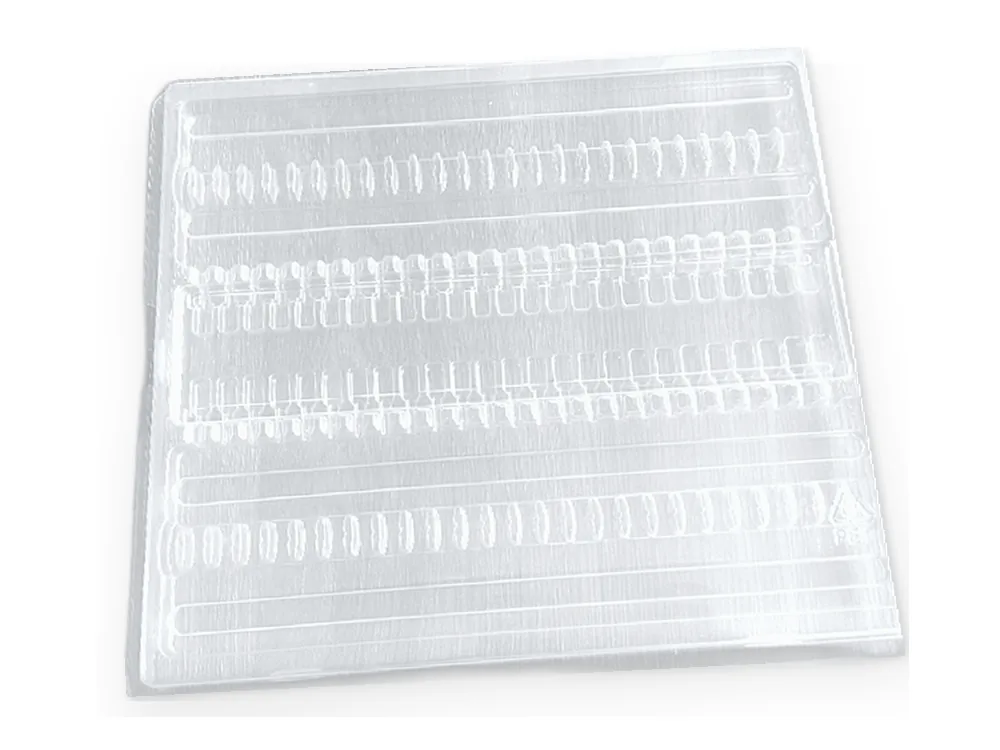
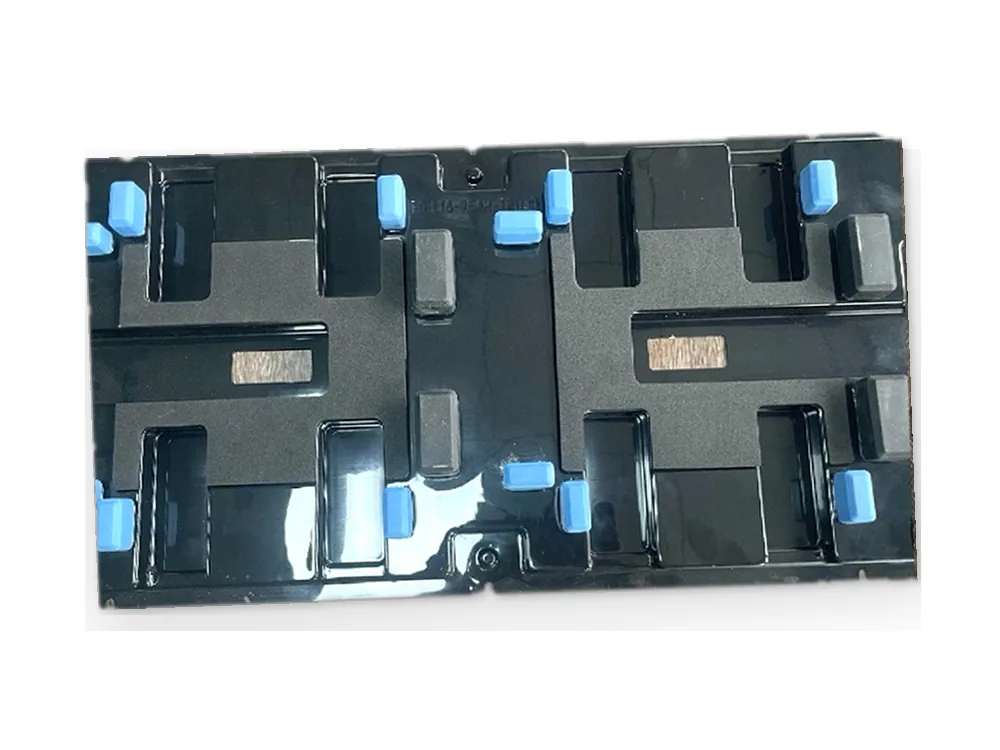
Forming precision, year on year2018 → 2023
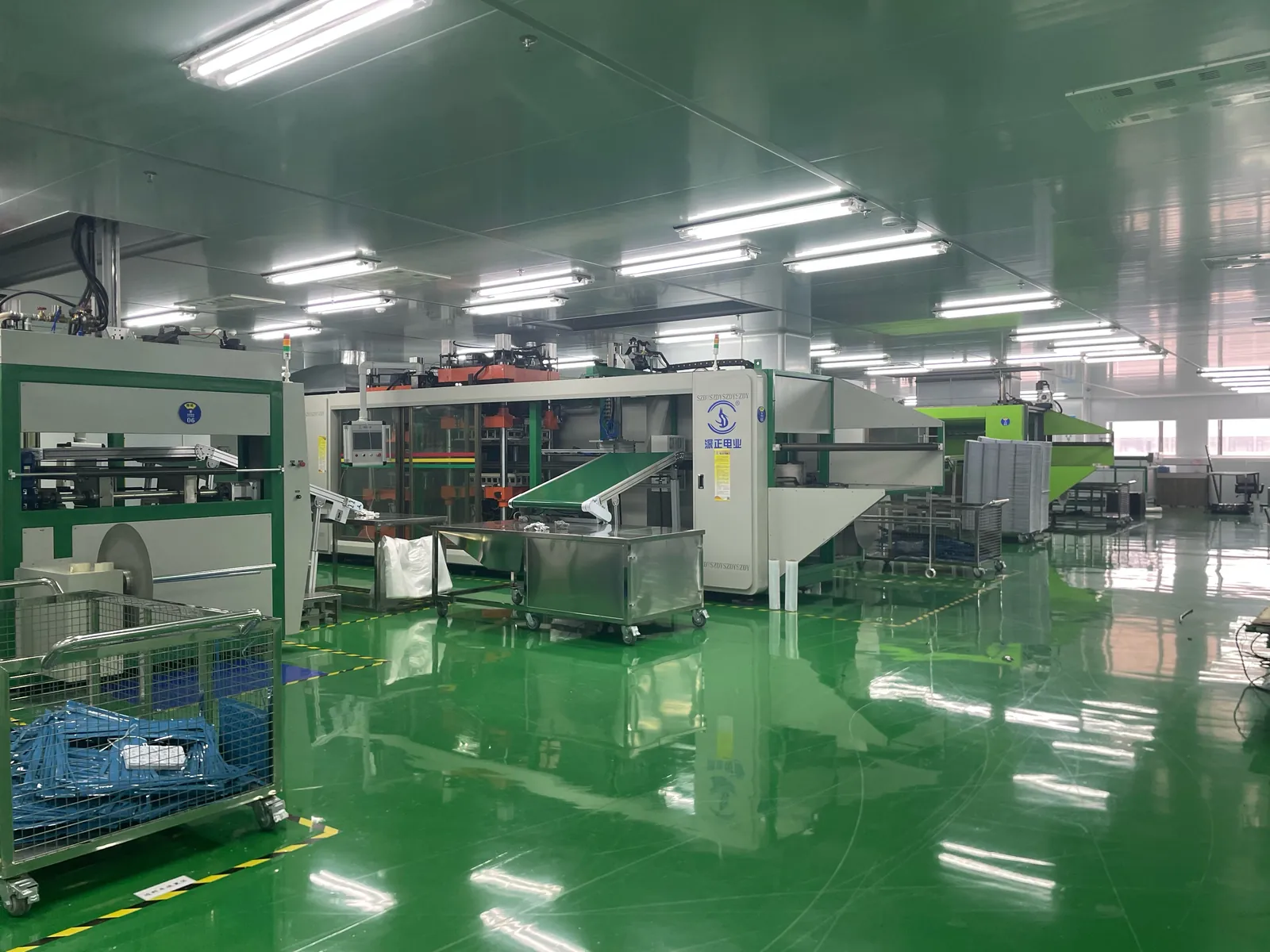 Class-10,000 forming hall
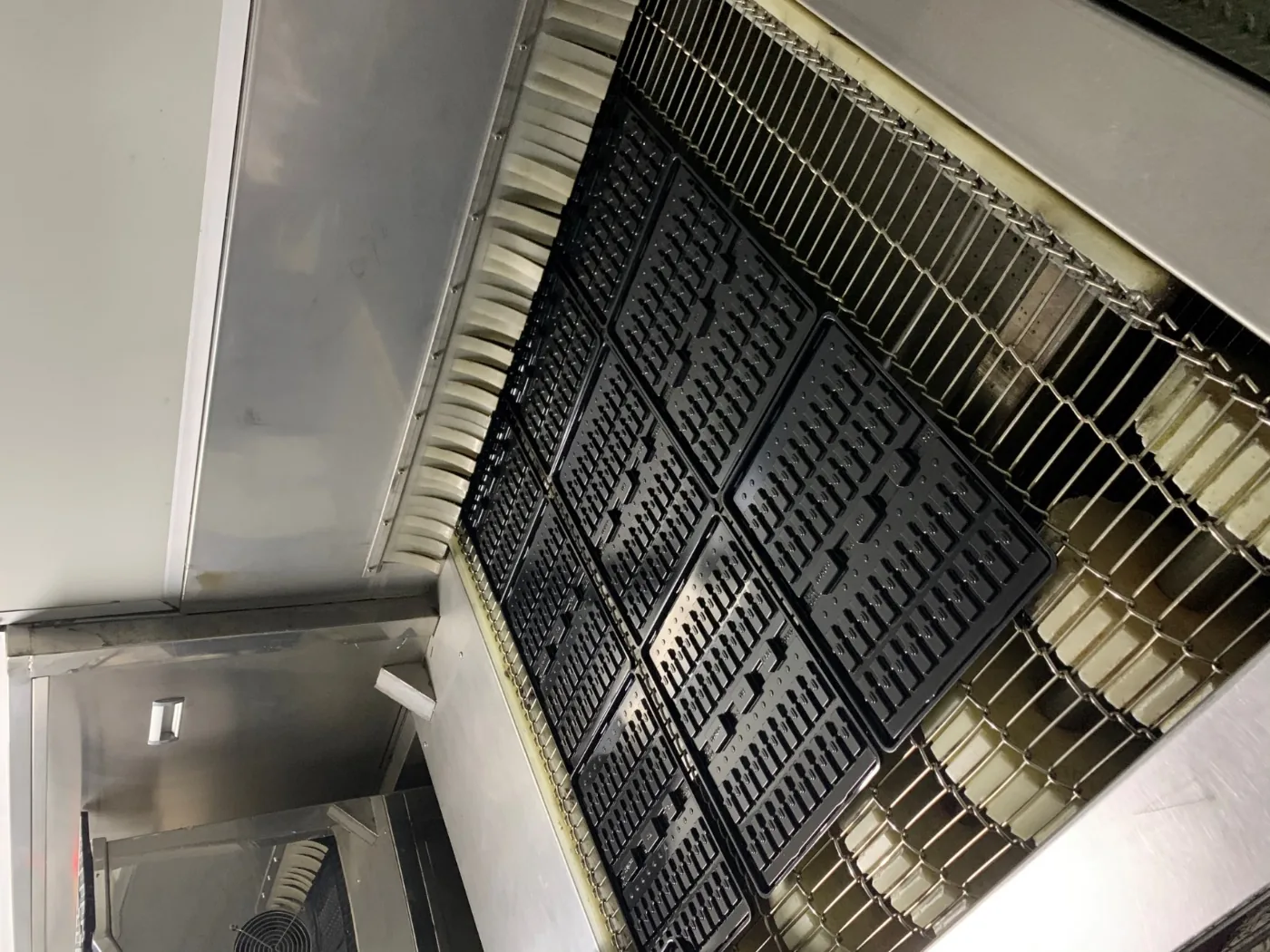 In-house tray washing line · 2016
A cleanroom class describes particles in the air; the cleanliness of a tray's surface is accepted separately, against an agreed sampling method and limit.
Base materials
ESD protection
ESD performance is confirmed against an agreed surface-resistance range and test conditions; trays that are washed are verified again after washing.
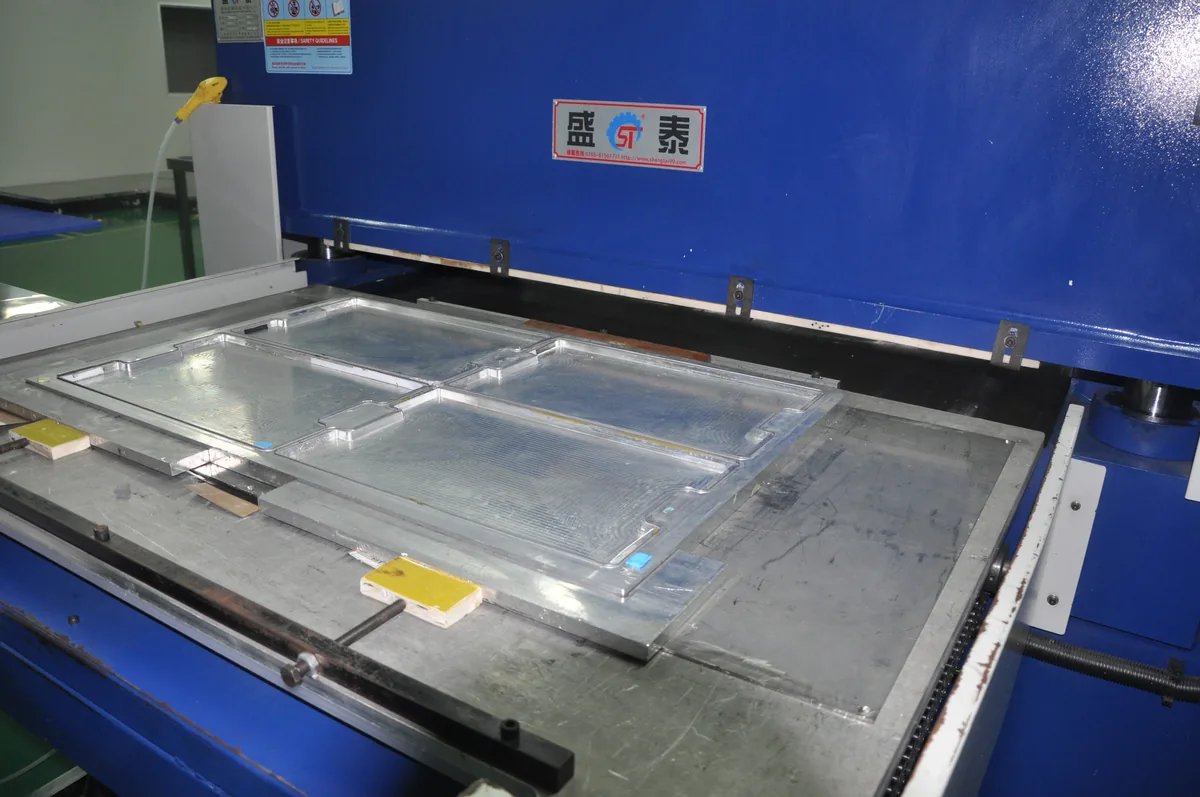
Our own material plantsShajing, Shenzhen: PET and PS · Zhuhai: ABS
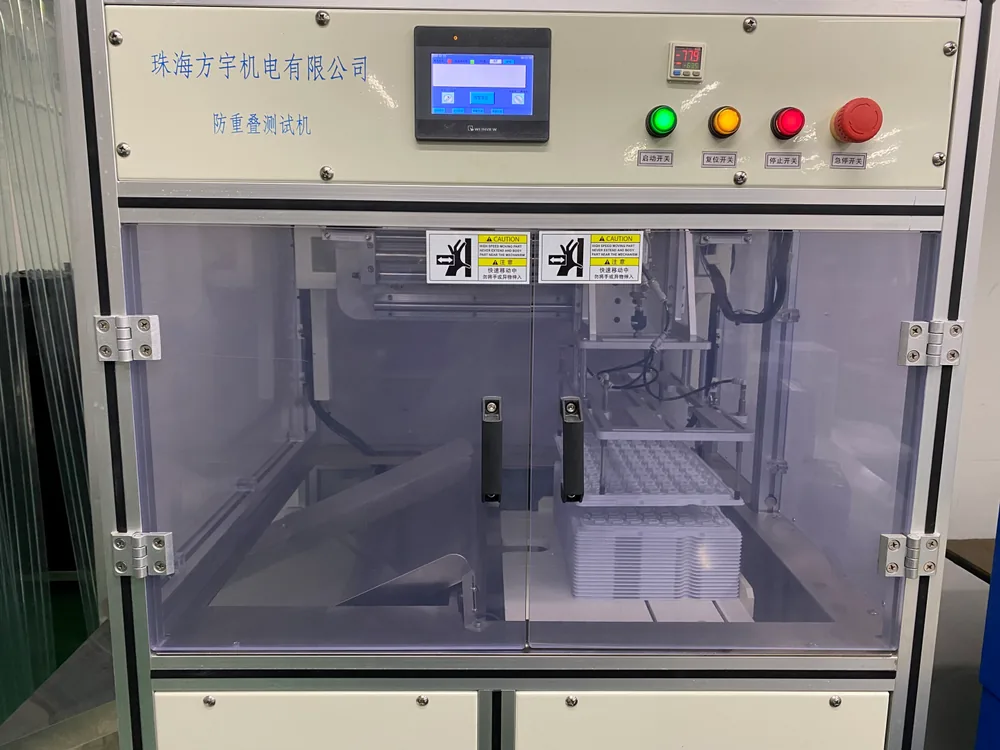
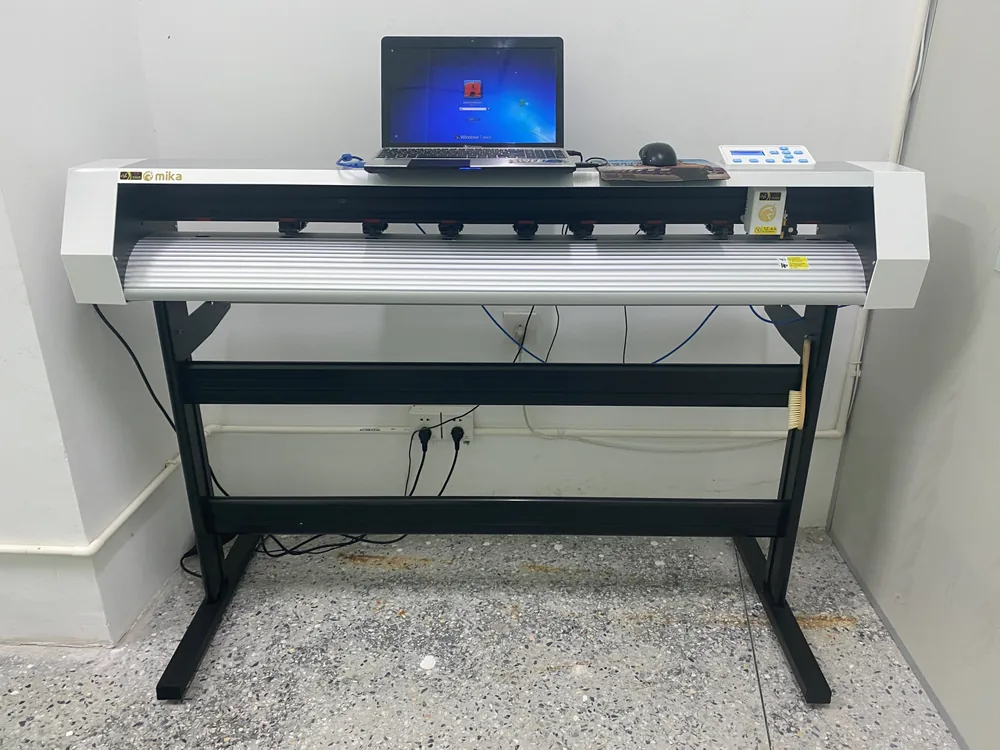
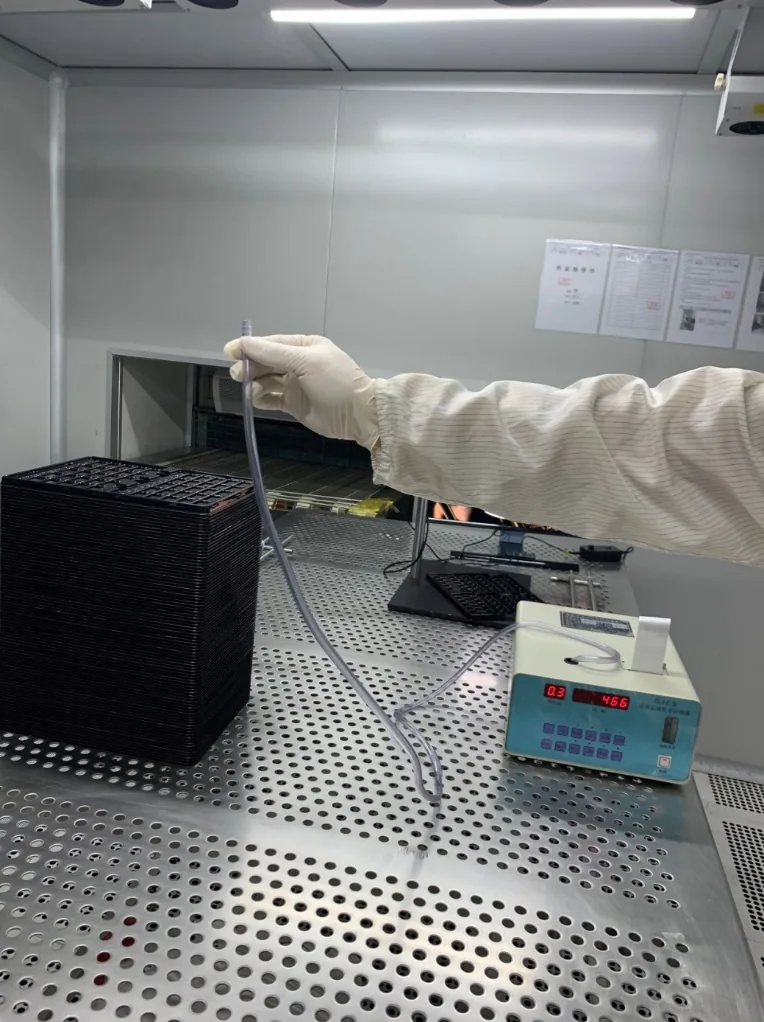
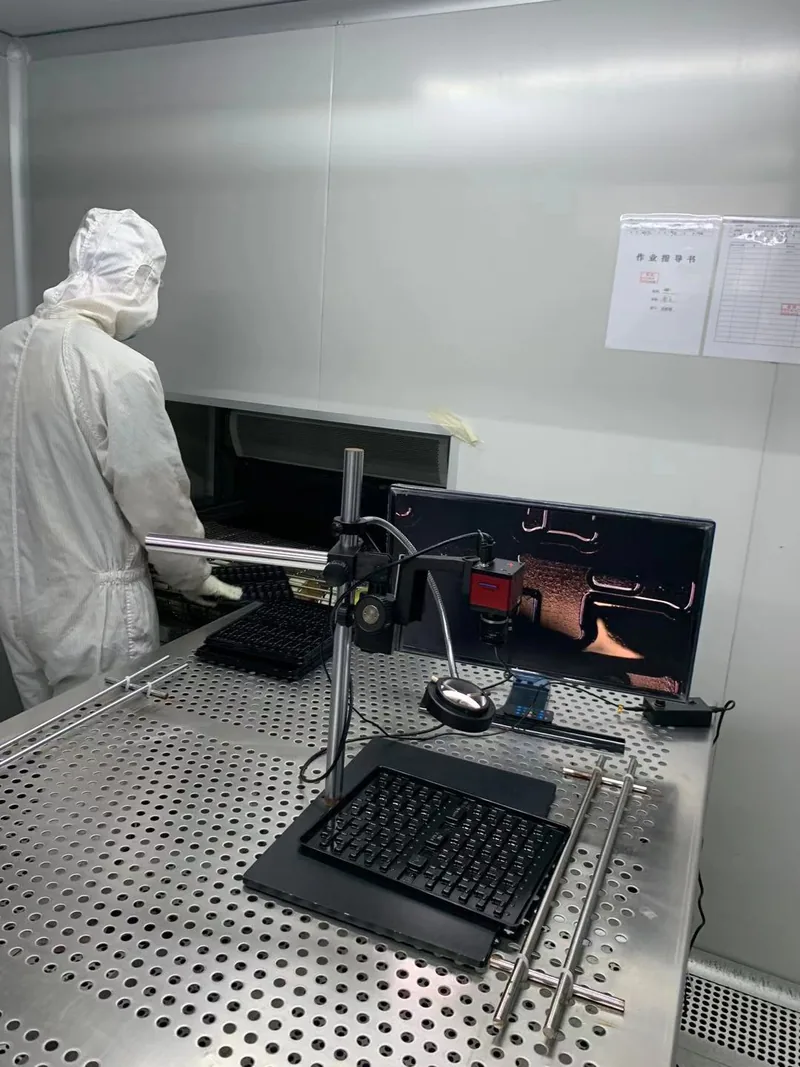
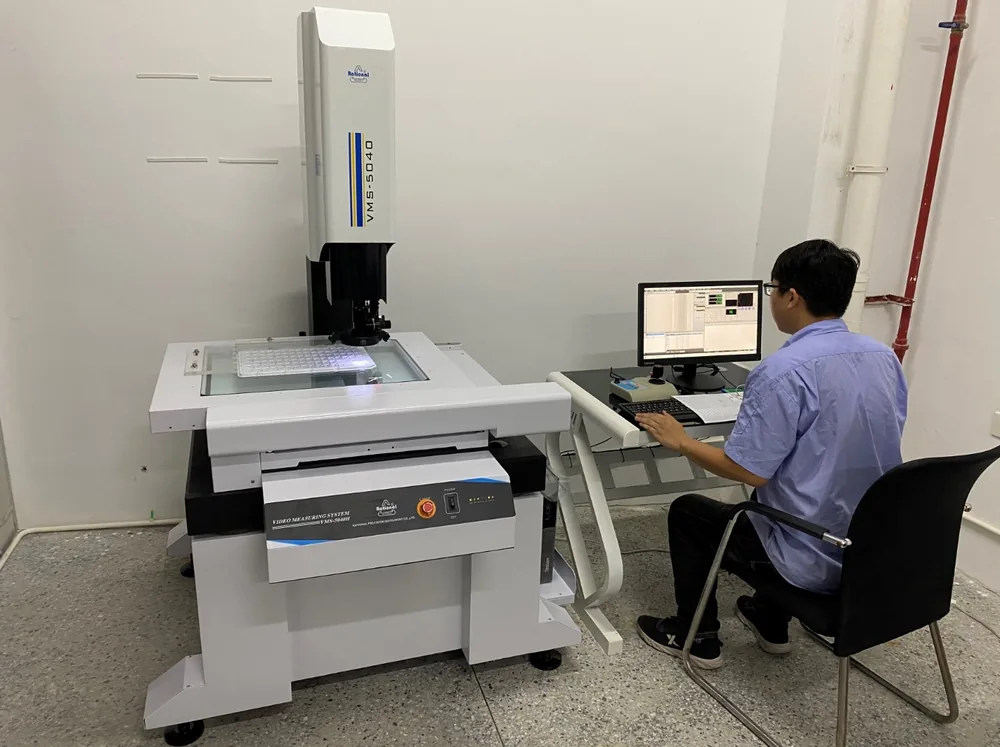
Records available per projectSupplied with samples; acceptance methods as agreed
Molds in as little as 8 hours within 500 mm, typically 2 days · prototypes from 50 · production from 500
It depends on how clean the part must be. Antistatic performance stops charge building up; it does not make a surface clean. Forming, cutting and handling can still leave particles and chips on a tray. Trays with cleanliness requirements are washed with DI water, dried clean, then inspected and packed in our class-100 room, and their ESD performance is checked again after washing.
A cleanroom class (such as class 10,000 or class 100) describes particle concentration in the air of a room. Tray cleanliness is what remains on the tray's surface, and is accepted separately against an agreed sampling method and limit. We control both: the room is monitored with a laser particle counter, and washed trays get a 20× magnified foreign-matter check.
Web Design & GEO by RUXO Studio