Thermoformed Electronics Housings
Years of supplying electronics leaders.Now instrument housings too.
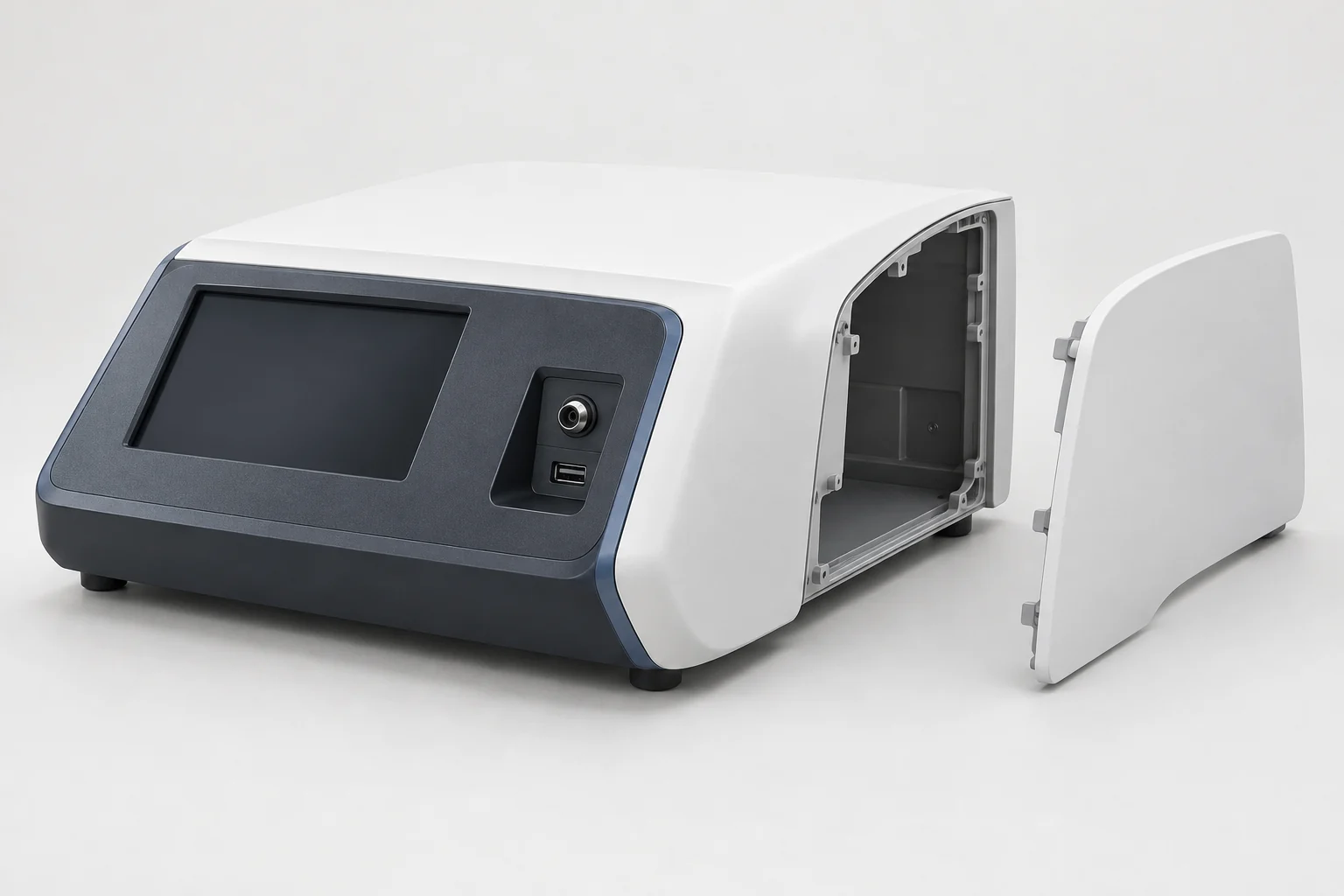
Thermoformed Electronics Housings are shaped from heated plastic sheet. FUNYO forms single parts up to 2600 × 1600 × 600 mm from sheet up to 15 mm; housings commonly use 8–10 mm. Forming tools take about 1–3 weeks and cost under 1/10 of a comparable injection mold.
- Max. part size
- 2600×1600×600mmL × W × H, formed in one piece
- Max. sheet thickness
- 15mm8–10 mm is typical for housings
- Tooling lead time
- 1–3weeksvs. about 6–10 weeks for a comparable injection mold
- Tooling cost
- <1/10of a comparable injection mold
- 01Electronics experience
- In electronics supply chains since 2010
- 02Precise openings
- CNC-cut to component drawings
- 03Clean and ESD-aware
- Cleanroom and permanent anti-static materials
Thermoformed parts for electronics & advanced equipment
From instrument housings
to precision parts handling.
Electronics parts that suit thermoforming:
- Electronic test
- Precision inspection
- Specialist instruments
- Precision parts handling
- 01
Instrument housings, upper and lower shells
Large curves in one piece; parting lines and datums fixed before tooling.
- 02
Bezels and control panels
Display, button and connector openings cut to component drawings.
- 03
Module service covers
Split along module removal paths, so service removes one panel.
- 04
Precision parts trays
Thin-gauge precision trays formed in our cleanroom and DI-washed before delivery.
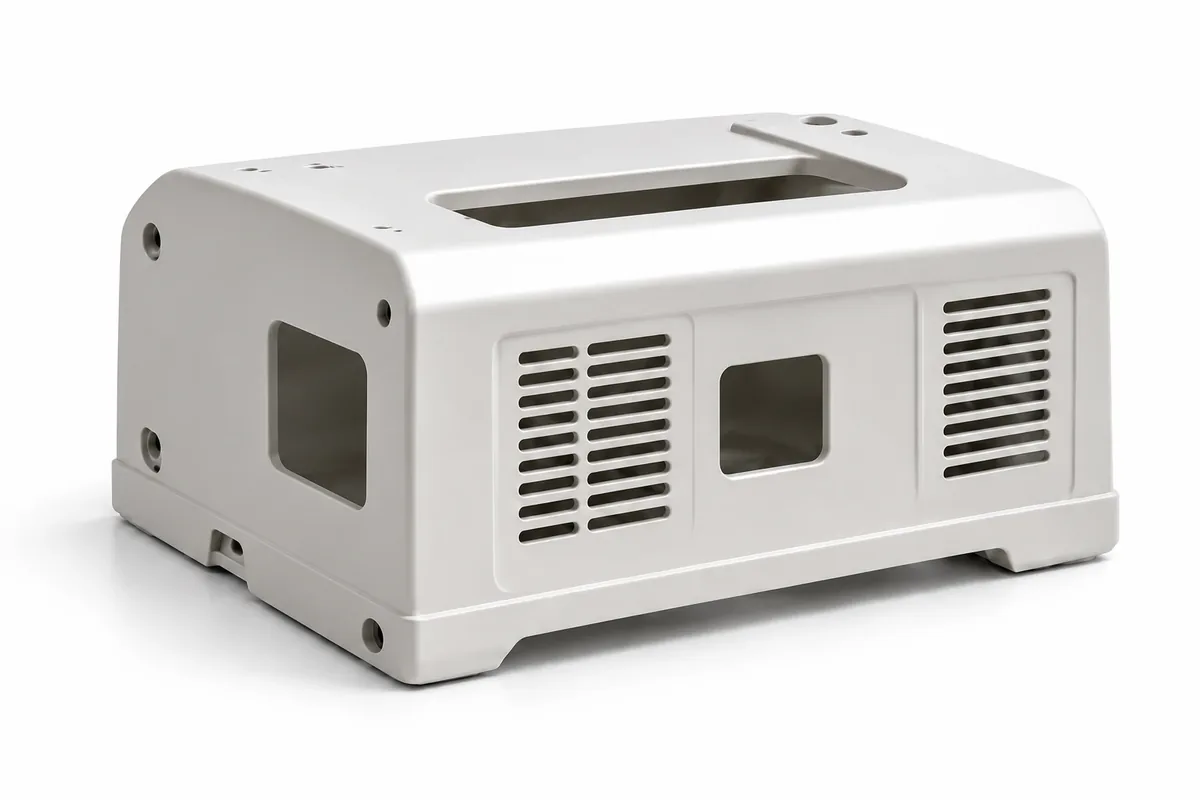
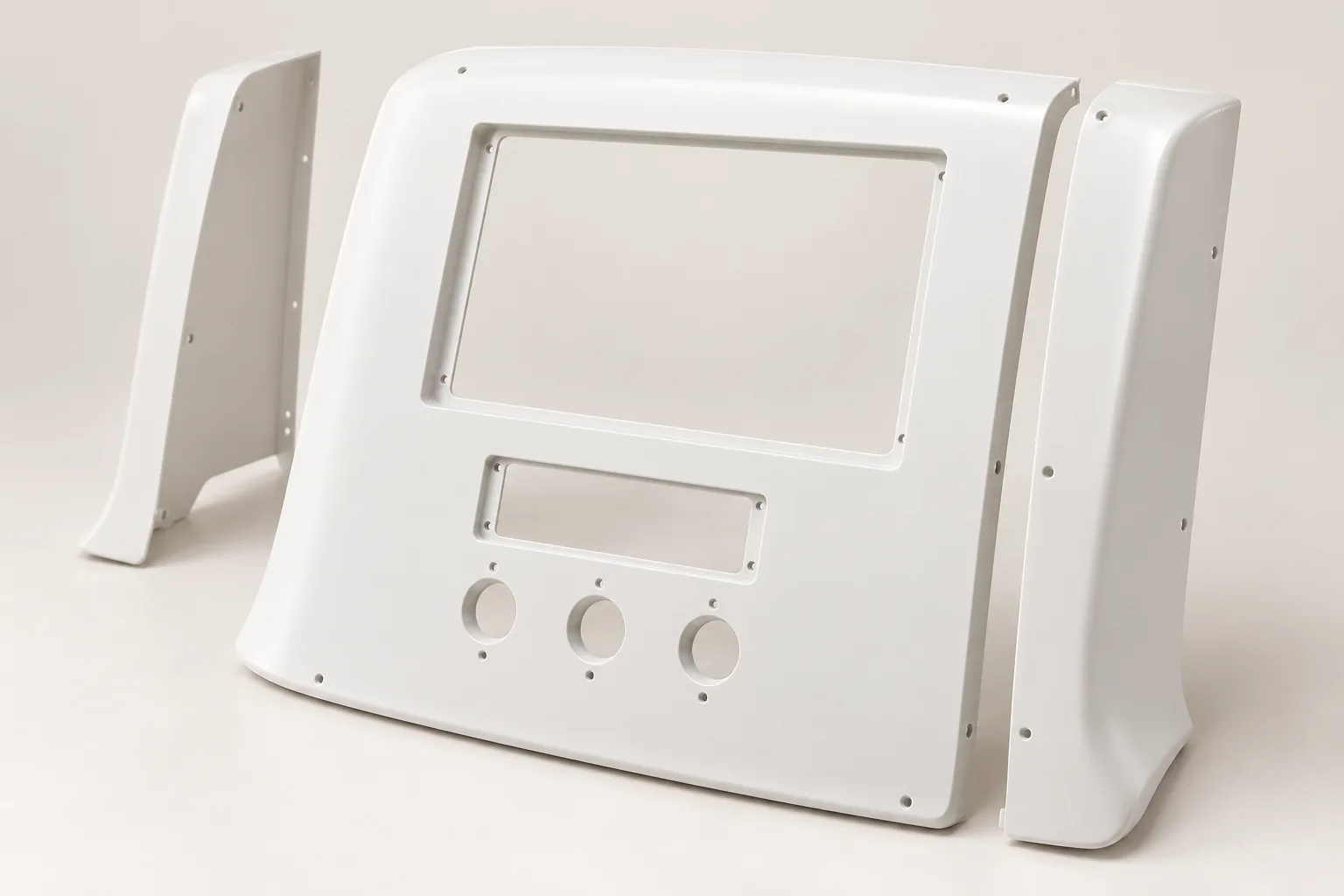
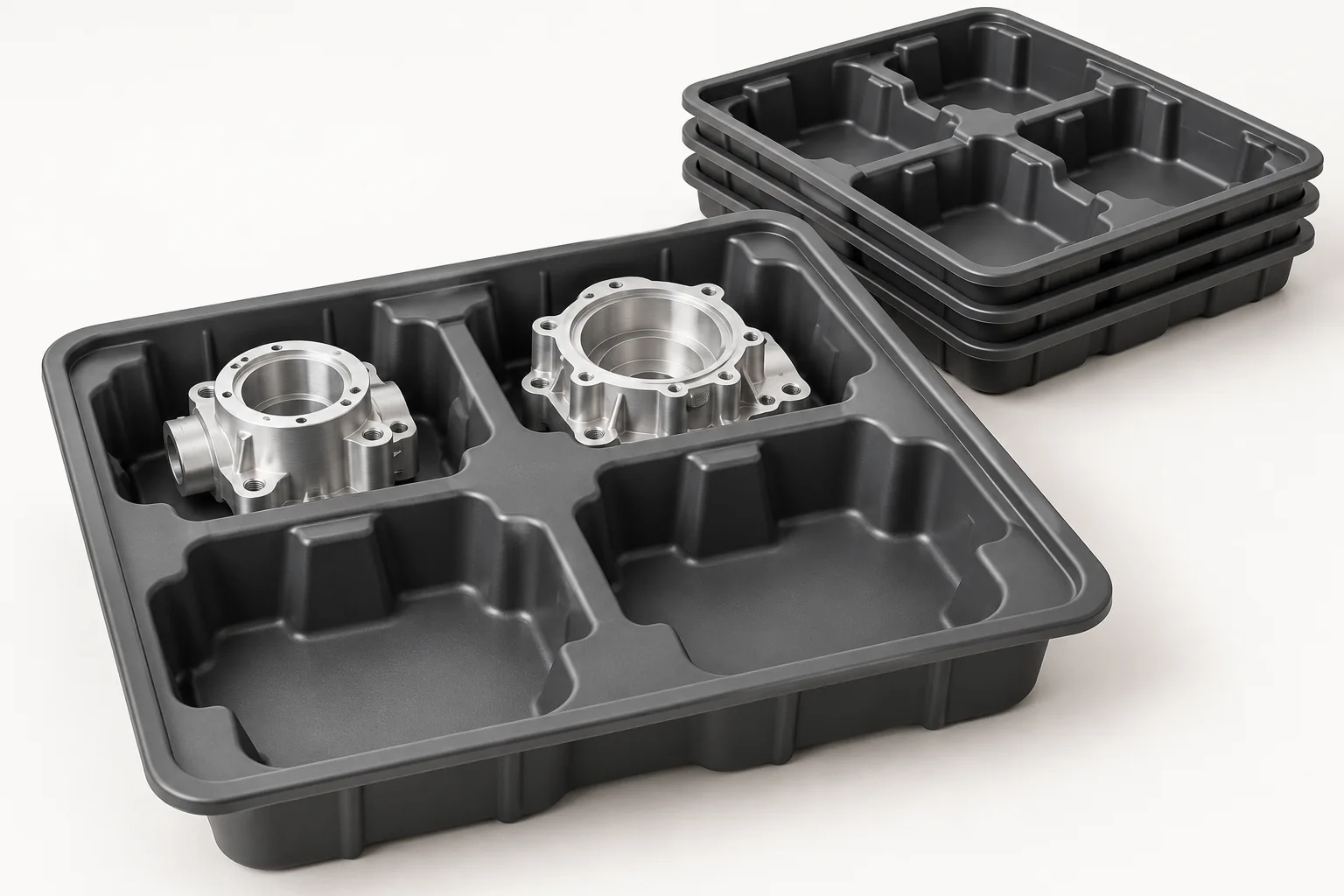
Examples of thermoformed components
Examples:
formed parts you can see.
Formed parts from the FUNYO company profile, picked for this industry. Need something similar? Send a drawing or a photo.
Send drawings, answer in 2 working days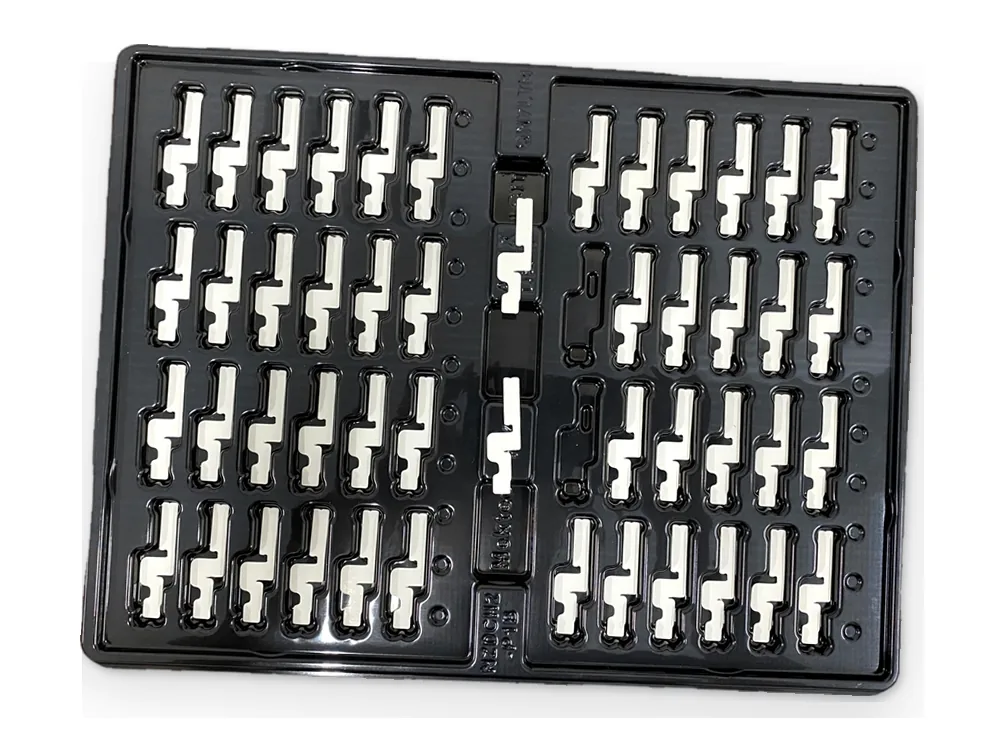
Anti-static semiconductor / PCB tray 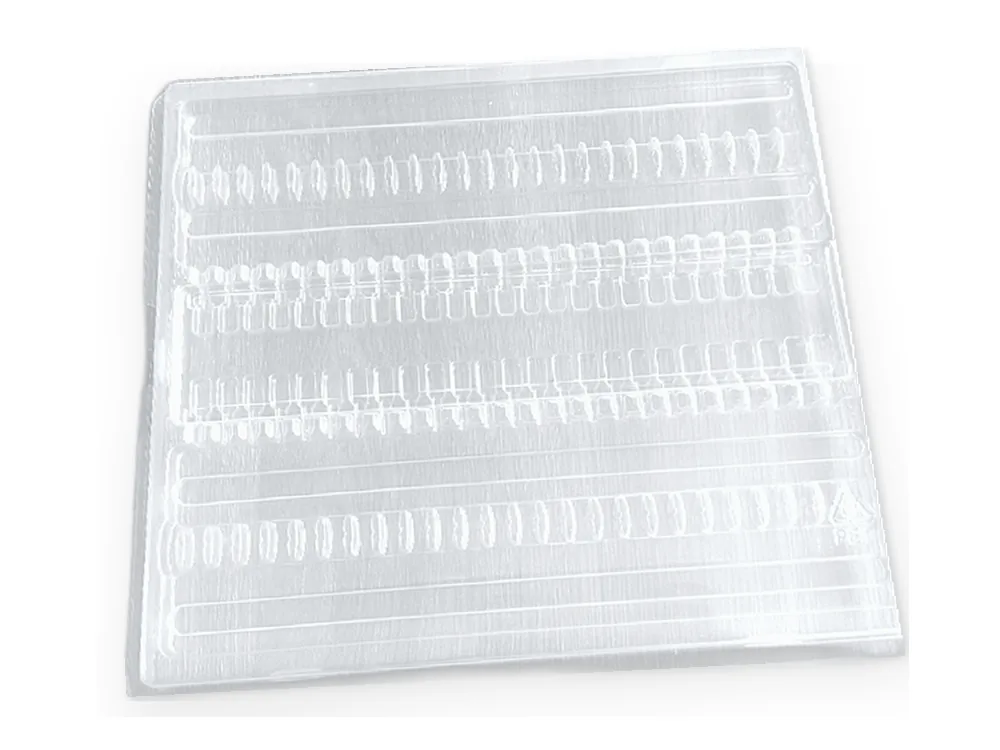
Clear tray for optical products 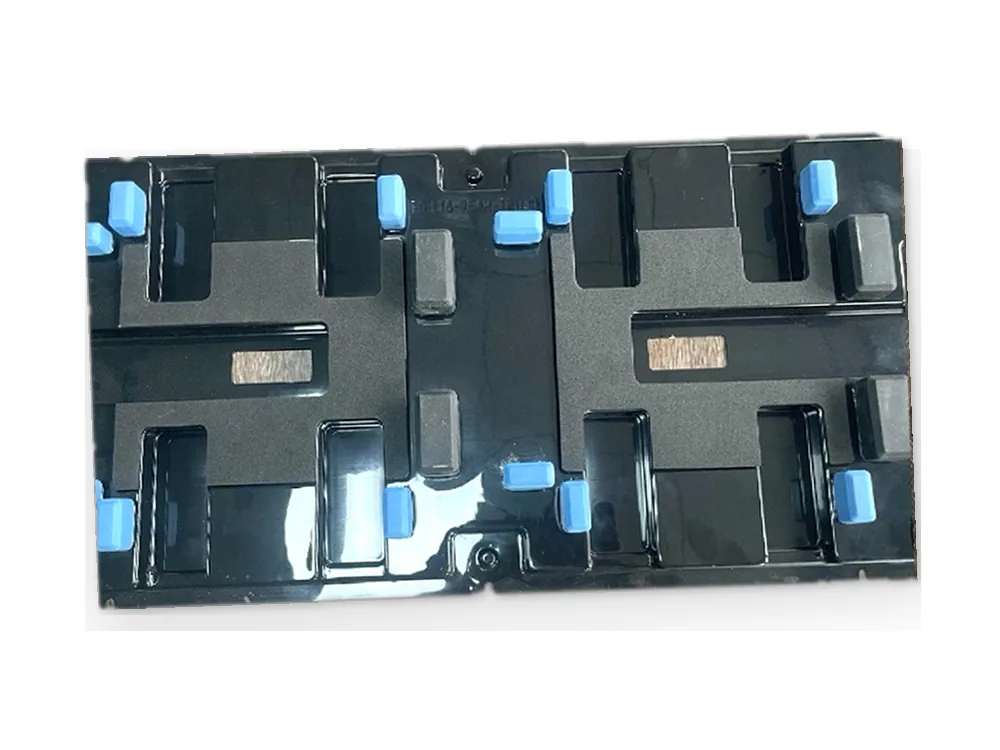
Precision part tray 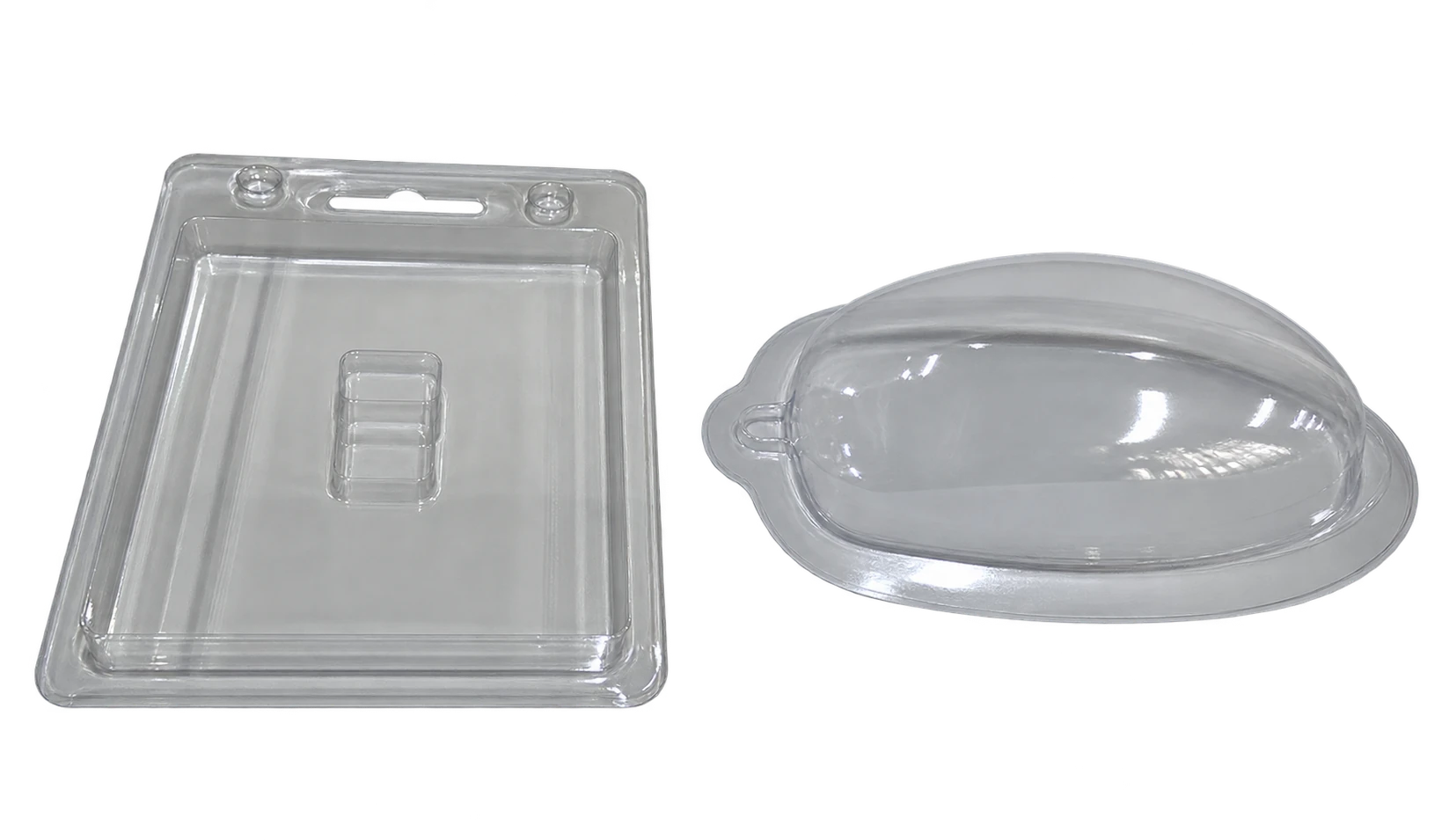
Protective cover for electronics packaging 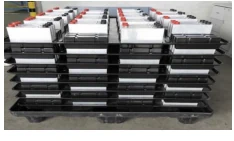
Formed tray for precision parts 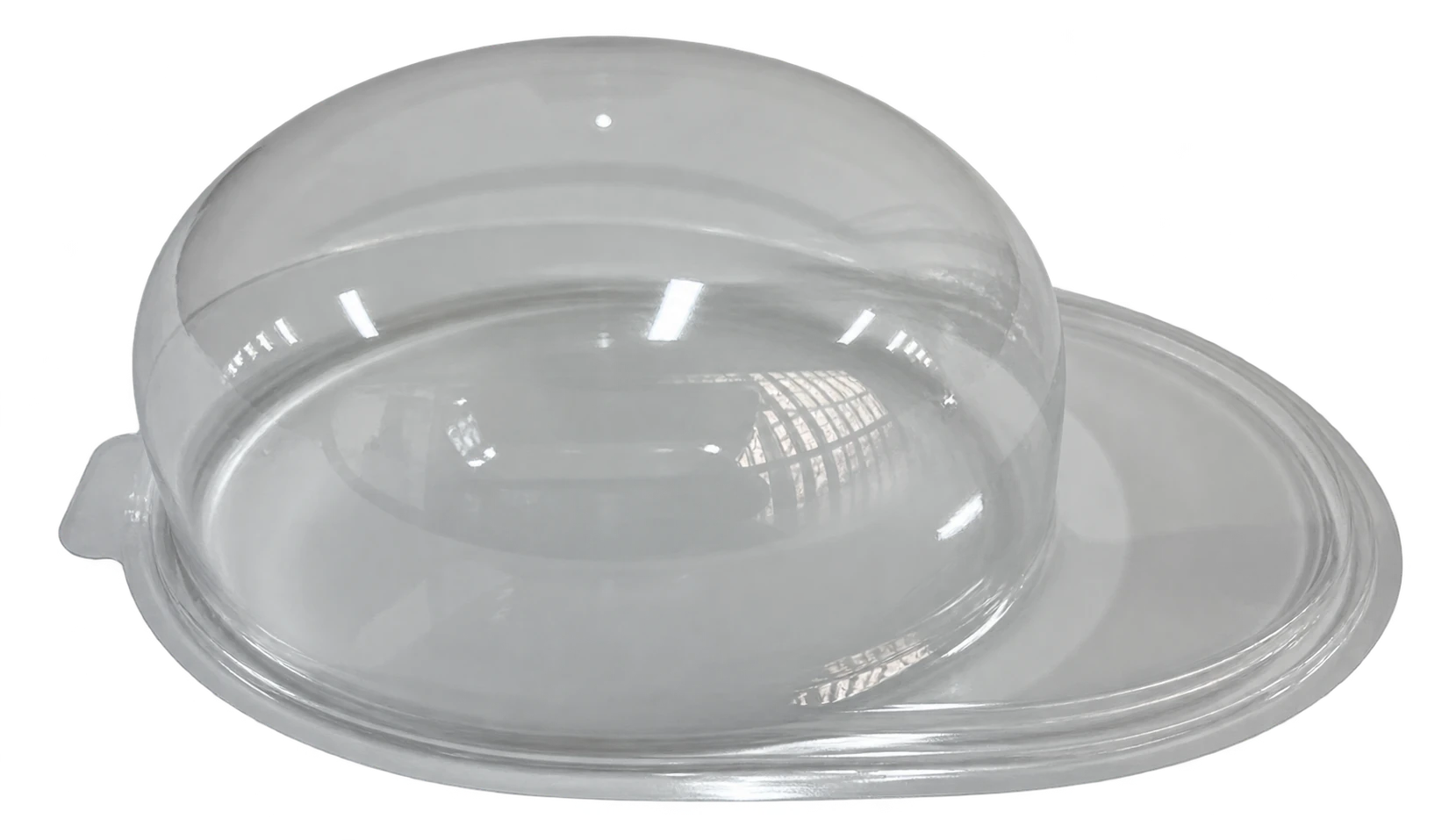
Dust cap 
Drone shell 
Light fixture housing
Images from the FUNYO company profile. Some show the complete product; the formed part is the one named in the caption.
Thermoforming compared with other processes
ESD, shielding, RF windows:
separate design goals.
Instrument housings are often asked to solve electrical functions “on the side”. What a formed part can do, and what the complete unit must verify:
Send drawings, answer in 2 working days| Function | Formed part can do | Verified on the complete unit |
|---|---|---|
| ESD protection | Static-dissipative sheet | Finished-part testing to the agreed method |
| EMI shielding | Mounting faces for conductive coatings or metal parts | System shielding test |
| RF or optical windows | Material and thickness chosen for the band or optics | Tested with the functional module |
| Cooling | Vents and air-path openings CNC-cut | Temperature rise in operation |
A cosmetic part does not replace performance testing.
Assembly, access and interface design
Leave a hole for the plug,
and room for the cable to bend.
A correctly sized opening isn't enough: how the plug goes in, how the cable bends and how a module slides out all count:
Plugs and cables
Openings follow plug shape, mating direction and cable bend radius, with room for hands.
Needed: connector types and cable models
Cooling and modules
Air-path openings and module removal paths are planned together.
Confirmed: air path and module removal path
Functional connections
Shielding, grounding and RF windows are designed with the housing's mounting faces and seams.
Confirmed: functional parts and test requirements
Sheet materials and project requirements
Define the function first,
then place the material.
8–10 mm sheet is typical, up to 15 mm.
Heavy-gauge thermoforming| Instrument housings and bezels | ABS is most common; PC where impact resistance is needed. |
|---|---|
| Anti-static | Static-dissipative grades; color is not proof, so we verify by test method. |
| Clear windows | PC or PETG. |
| Precision parts trays | Thin-gauge PET, PS and similar, made in our own sheet plant. |
Grade, thickness and functional treatments are evaluated per project.
Factory, CNC trimming and inspection
Forming, trimming, inspection:one plant in Zhuhai.
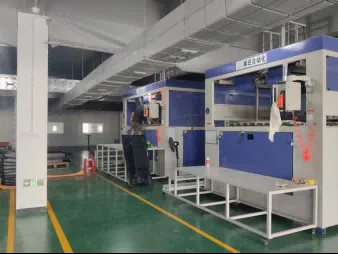
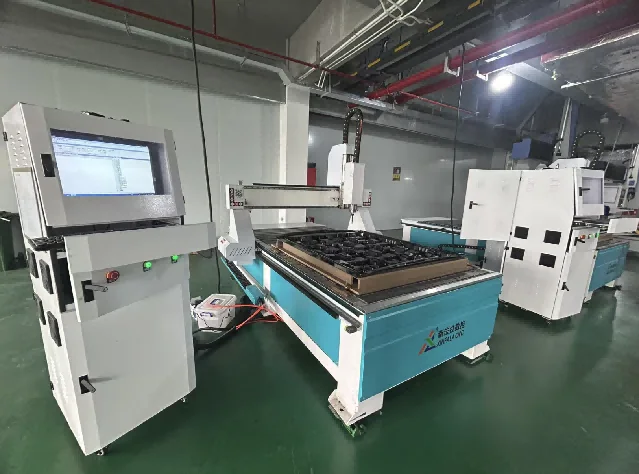
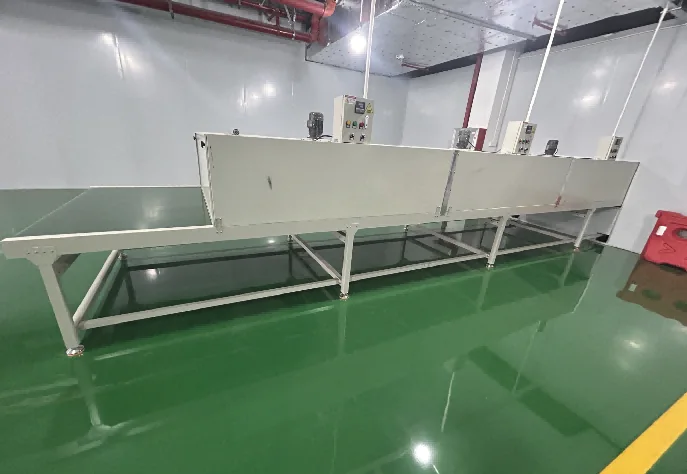
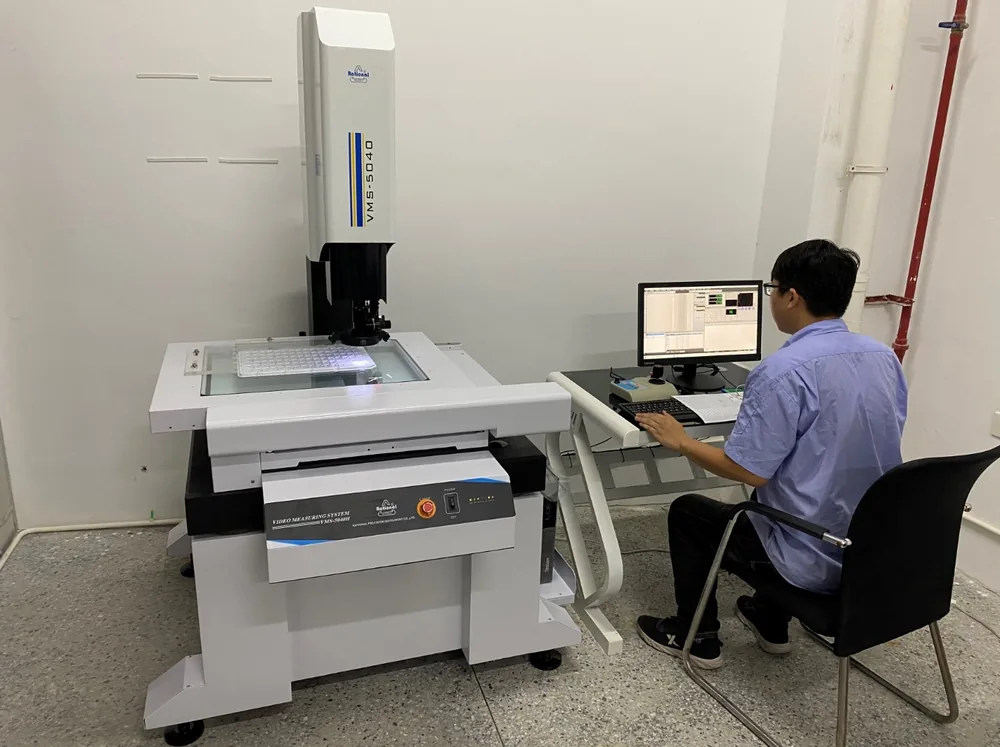
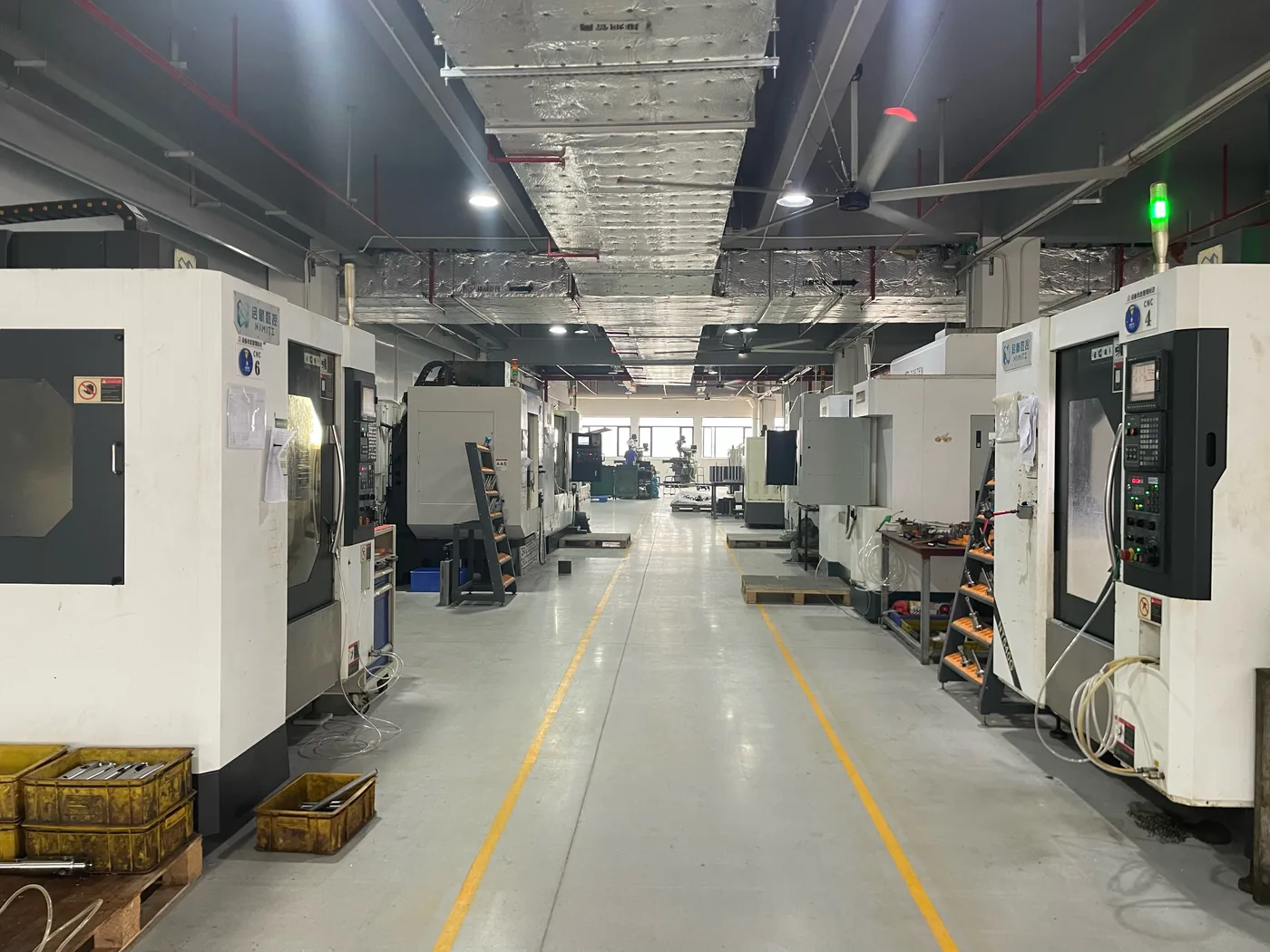
FUNYO started in precision machining in 2004 and has been thermoforming since 2013. Heavy-gauge forming, CNC trimming and dimensional inspection all happen in our Doumen plant, and we machine our own forming tools, so revisions don't wait on outside shops.
Facts you can check
- 2004
- Founded; 20+ years of precision machining
- 2005
- Became a tier-1 supplier to Gree
- ISO 9001 · 14001
- Quality and environmental management certified
- 2024
- Recognized as a High-Tech Enterprise
- ABS · PET/PS
- Own plant for thermoforming sheet
- 4 hours
- Response to design requests
Selected long-term customers













These relationships cover precision formed trays, CNC parts and other work. Listed in no particular order.
Lead time from drawing to delivery
From drawing to production,
and how long each step takes.
Typical timings. Complex parts or special materials get a specific schedule when we quote.
- Within 4 hours
Response
An engineer contacts you to confirm use, size and quantities.
- 2 working days
Evaluation and quote
We tell you whether heavy-gauge fits and quote it side by side with injection molding.
- About 1–3 weeks
Tooling
After design review we machine the forming tool in-house.
- By complexity
Samples
Formed, trimmed and drilled, then fitted to your frame or mating parts.
- Per order
Production
Checked against the approved sample for size and finish, then packed and shipped.
Thermoforming for electronics & advanced equipment: FAQ
Bring the port list,
and the real cables.
Start from a module layout, connector models or an equipment concept; tell us about cooling, functional materials and parts handling.
FAQ
Can thermoforming be evaluated for electronics & advanced equipment at 300–3,000 units per year?
300–3,000 units is a quoting scenario, not a break-even threshold. Compare part size, assembly, material, tooling and unit costs before selecting a process.
What size and sheet thickness are available for electronics & advanced equipment?
The maximum single part is 2600 × 1600 × 600 mm, with sheet up to 15 mm. Housings commonly use 8–10 mm sheet. Finished dimensions depend on geometry and trimming allowance.
Which sheet grades should I specify for electronics & advanced equipment?
ABS, PC, PVC, PETG and PP can be formed. PC or PETG can be evaluated for transparent parts. PE, weatherable, flame-retardant and antistatic grades are sourced and sampled for the project.
How long does tooling for electronics & advanced equipment take?
Forming tooling costs under 1/10 of a comparable injection mold and takes about 1–3 weeks. Comparable injection molds take about 6–10 weeks. Confirm the scope against the drawing and material.
What should I send for a 2-working-day thermoforming assessment for electronics & advanced equipment?
Send drawings or photos, dimensions, annual and first-order quantities, assembly interfaces and operating conditions. We respond in 4 hours and provide the applicability assessment and comparison quote in 2 working days.
Last updated:
Web Design & GEO by RUXO Studio