Thermoformed EV Trays & Housings
We started with large battery trays.Now we make charger housings too.
Thermoformed EV Trays & Housings are shaped from heated plastic sheet. FUNYO forms single parts up to 2600 × 1600 × 600 mm from sheet up to 15 mm; housings commonly use 8–10 mm. Forming tools take about 1–3 weeks and cost under 1/10 of a comparable injection mold.
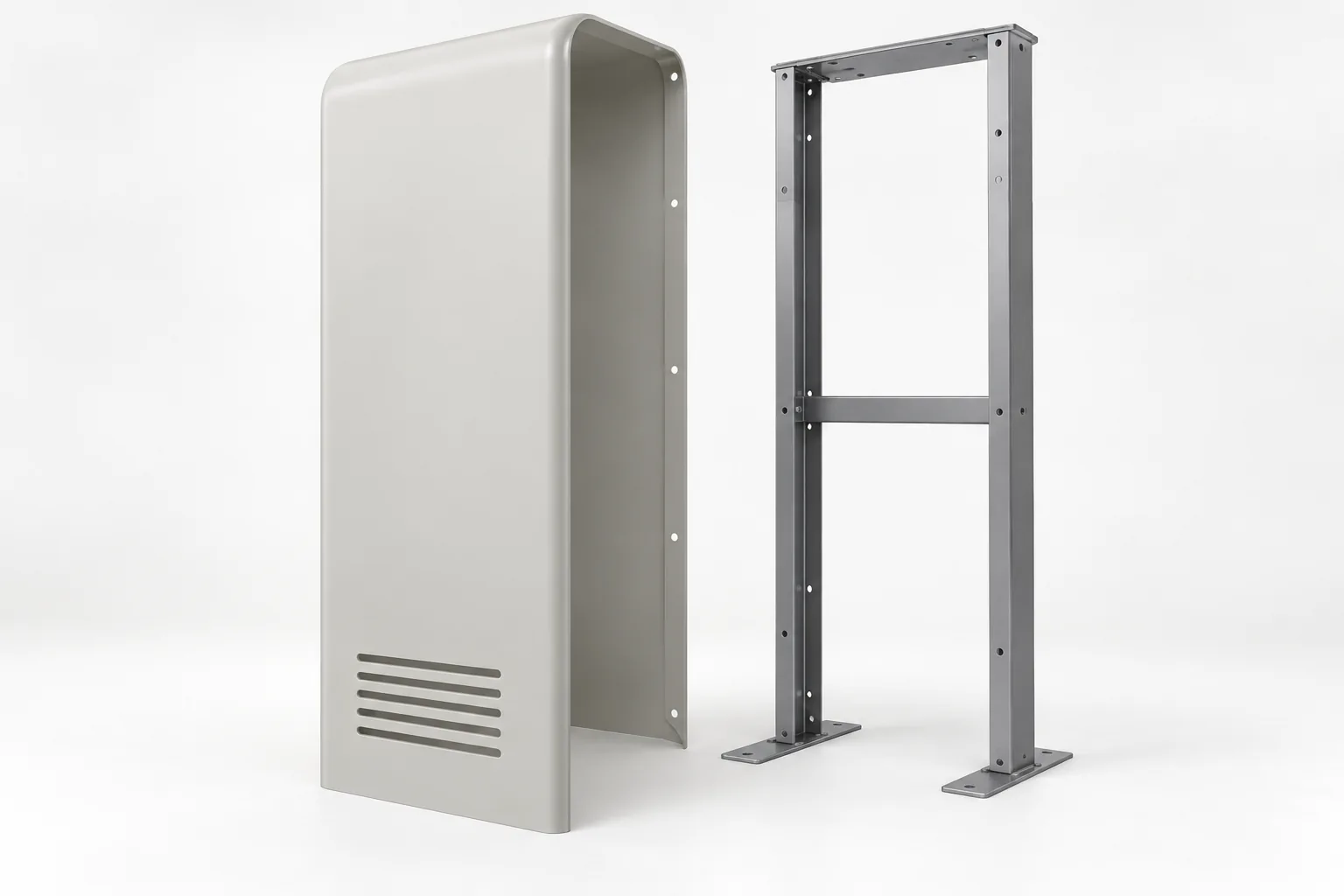
- Max. part size
- 2600×1600×600mmL × W × H, formed in one piece
- Max. sheet thickness
- 15mm8–10 mm is typical for housings
- Tooling lead time
- 1–3weeksvs. about 6–10 weeks for a comparable injection mold
- Tooling cost
- <1/10of a comparable injection mold
- 01New-energy experience
- Serving new-energy customers since 2020
- 02Large parts, one piece
- Up to 2.6 m
- 03Serviceable on site
- Covers designed for the installed layout
Thermoformed parts for ev, battery & energy systems
From the enclosure
to battery handling trays.
New-energy parts that suit thermoforming:
- Charging equipment
- Storage and power units
- Battery equipment
- Battery packaging and handling
- 01
Charger housings and front panels
Large cosmetic parts in one piece; display, connector holster and vents CNC-cut to drawing.
- 02
Storage and power enclosures and service covers
Boxes, lids and side panels split for the installed site and the service direction.
- 03
Battery trays and liners
Battery trays, insulating covers and formed brackets: products we already make in volume (mostly thin gauge).
Product families for this industry
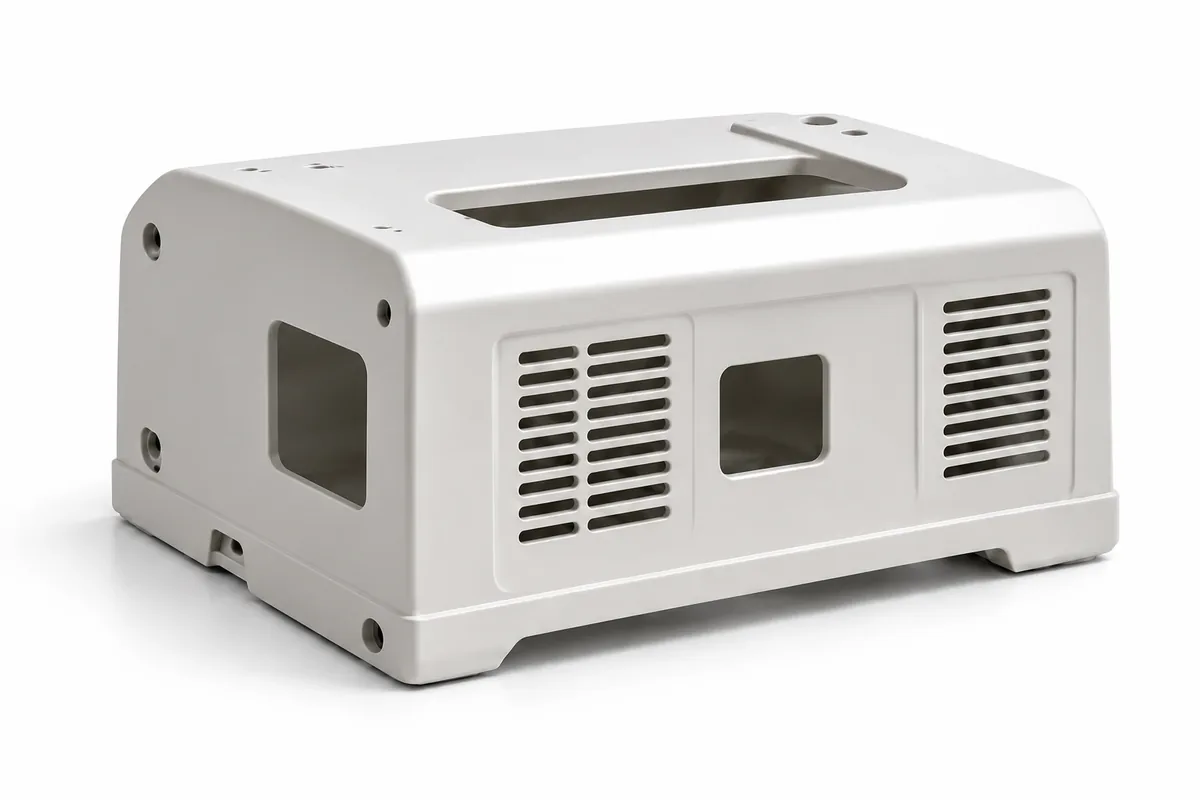
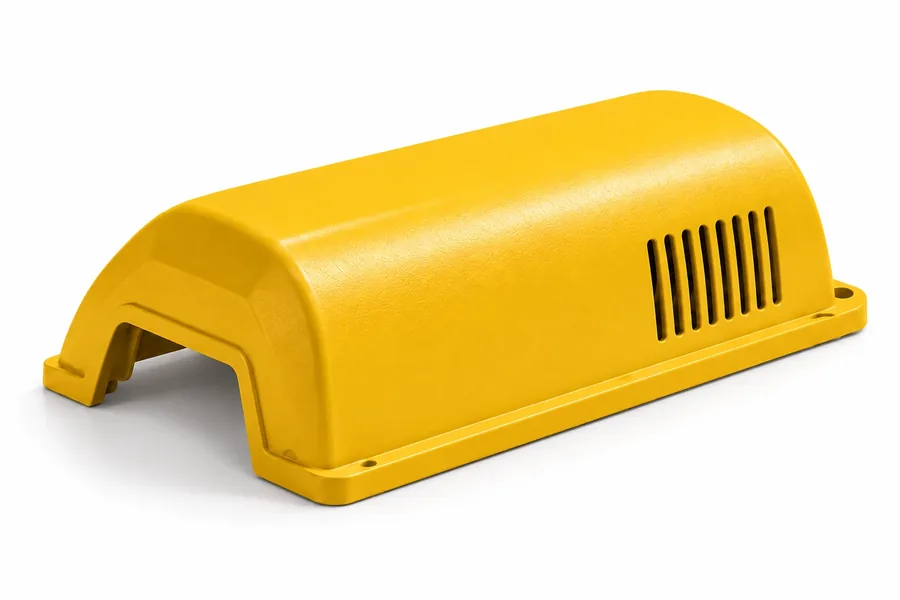
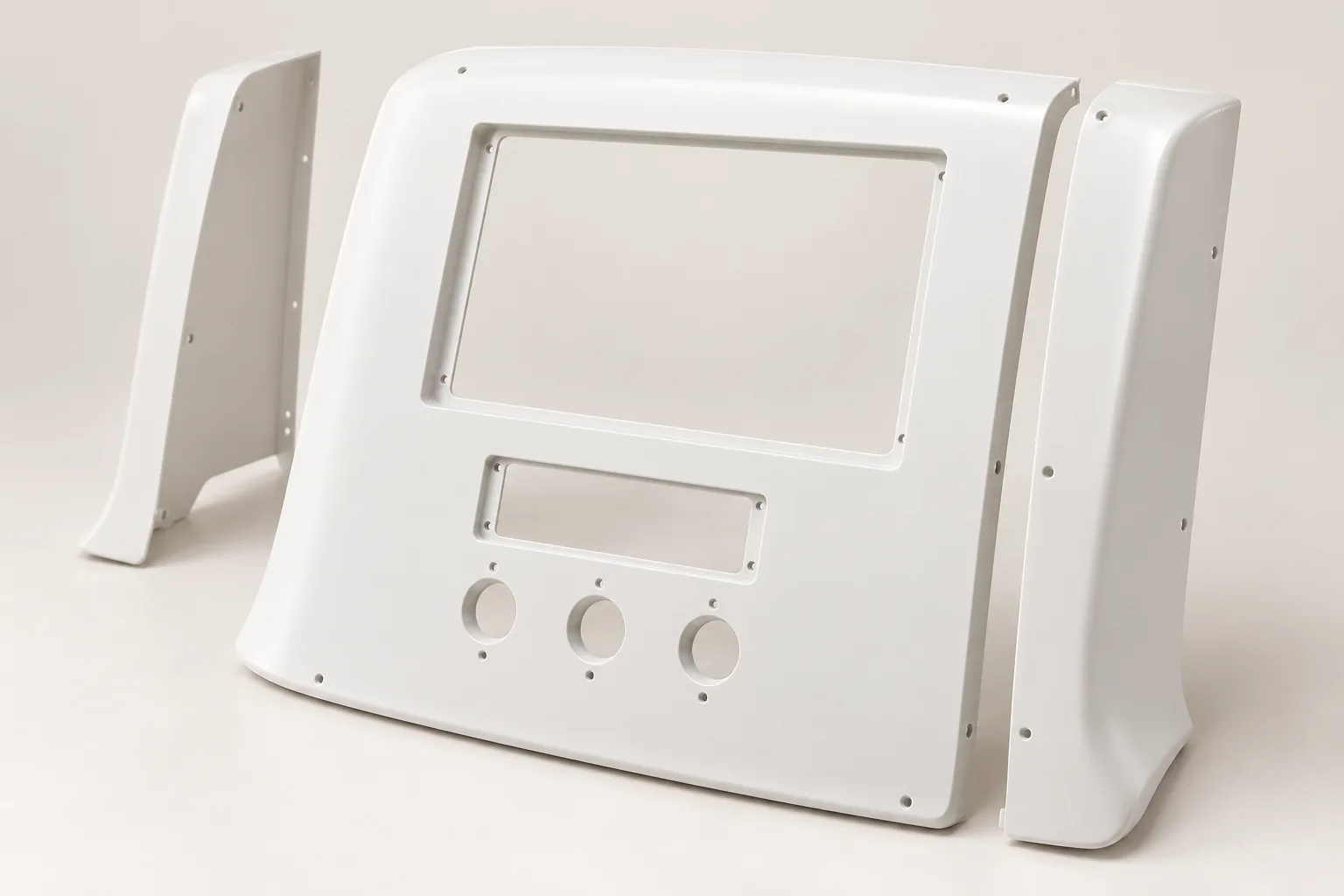
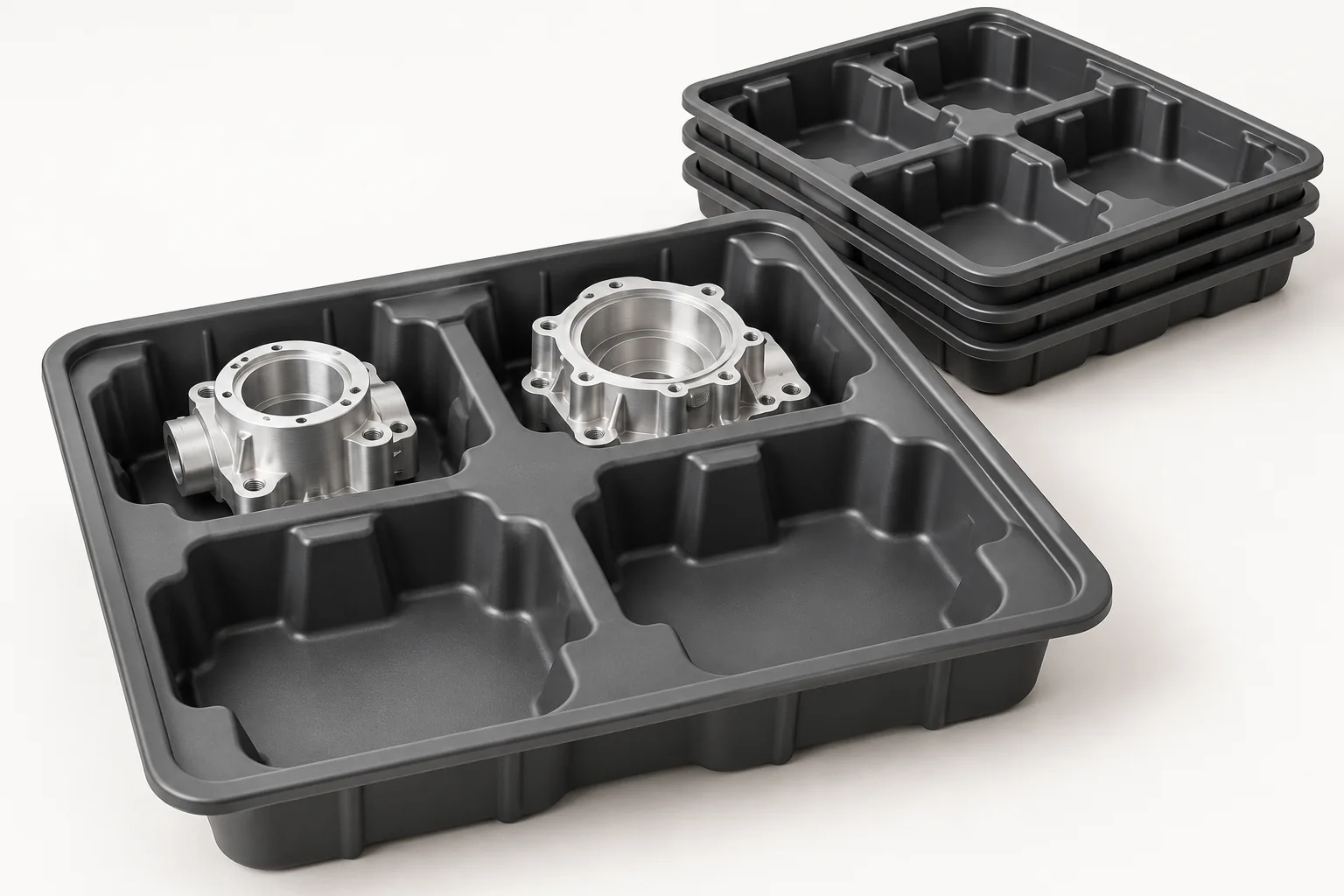
Examples of thermoformed components
Examples:
formed parts you can see.
Formed parts from the FUNYO company profile, picked for this industry. Need something similar? Send a drawing or a photo.
Send drawings, answer in 2 working days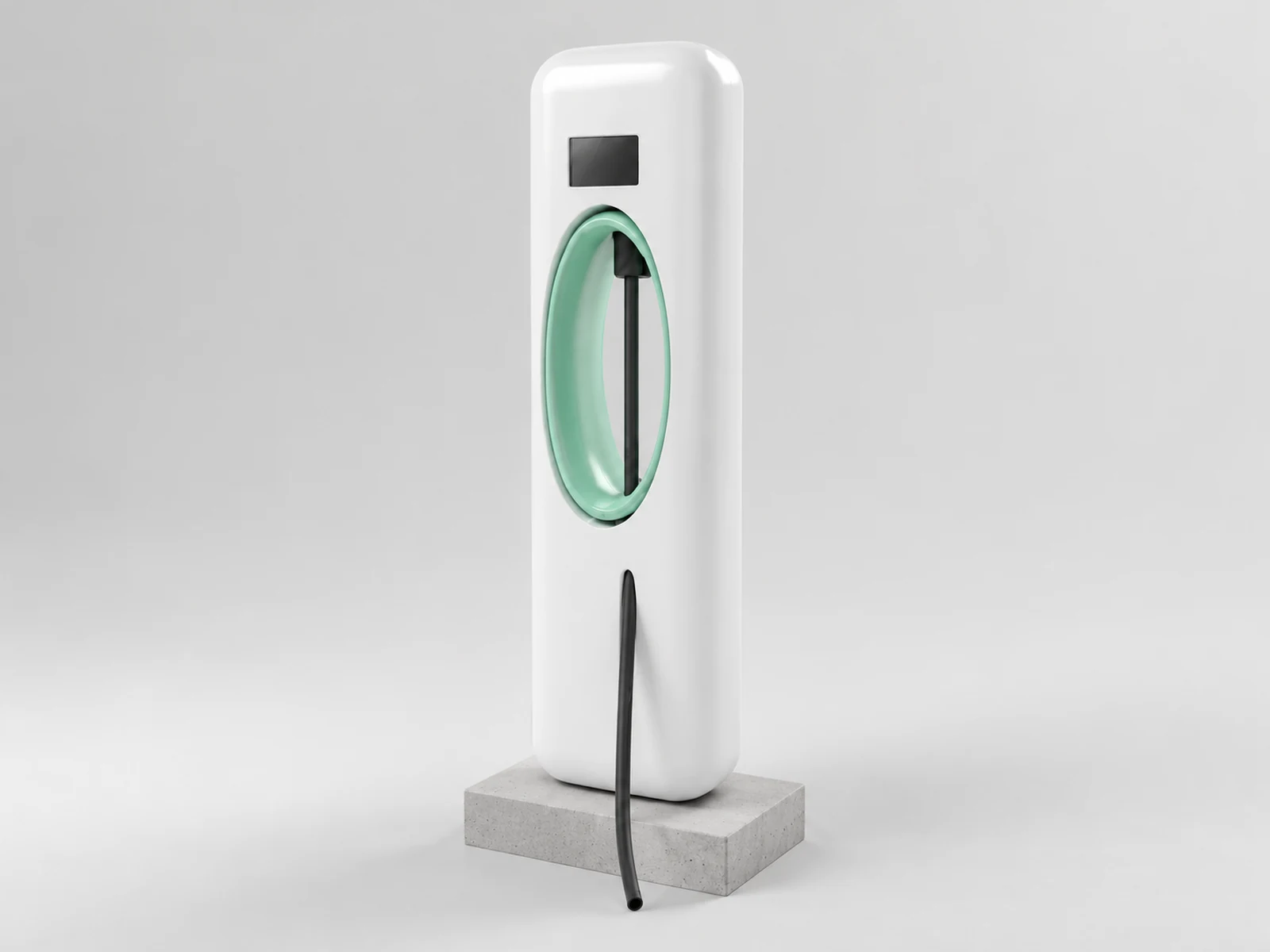 Illustration
EV charger housing 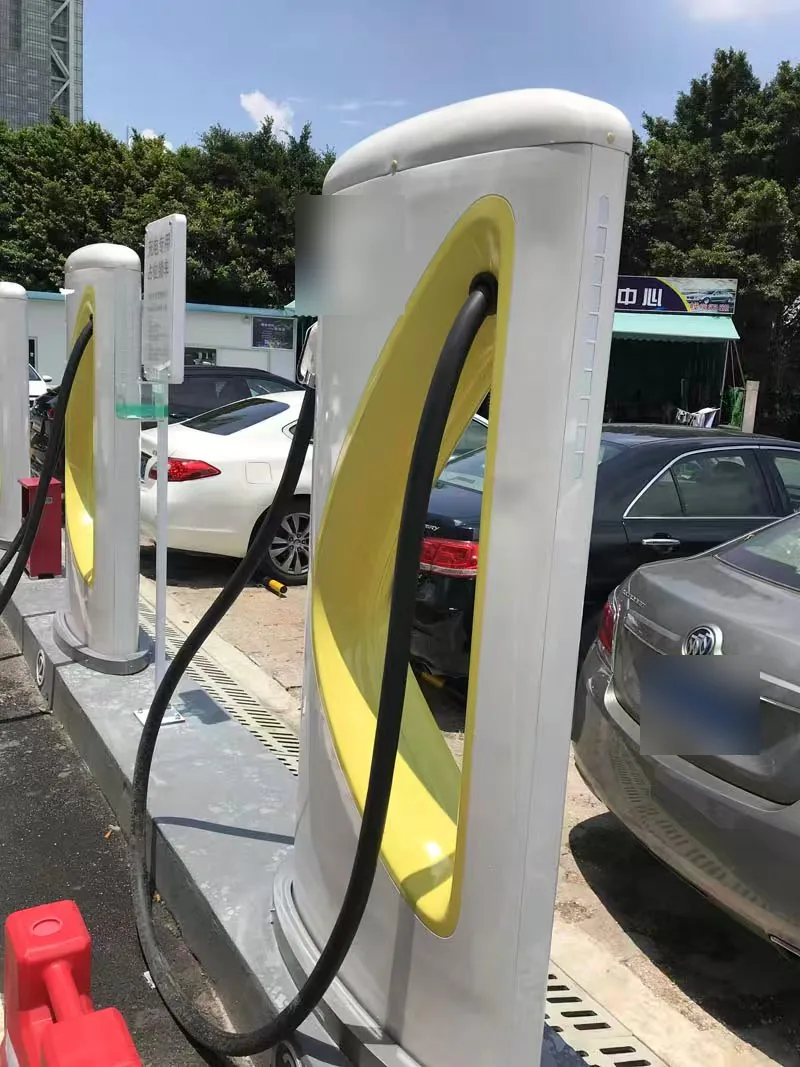 Reference
EV charger housing, installed on site 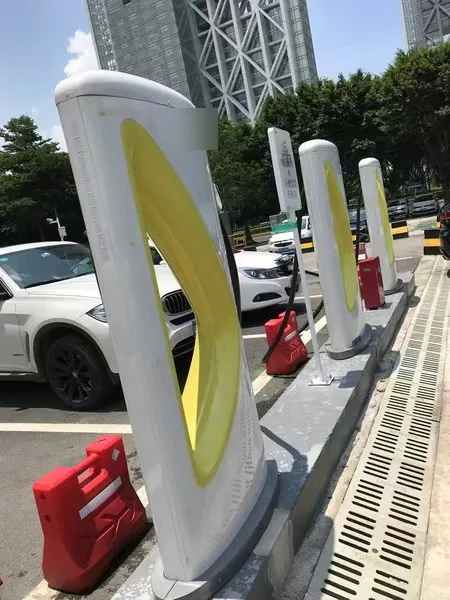 Reference
EV charger housings, installed on site 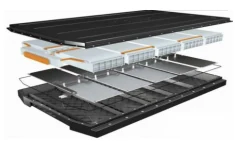
Power battery housing 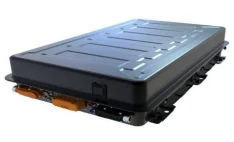
EV battery shell 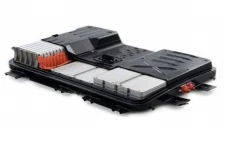
Power battery sealing cover 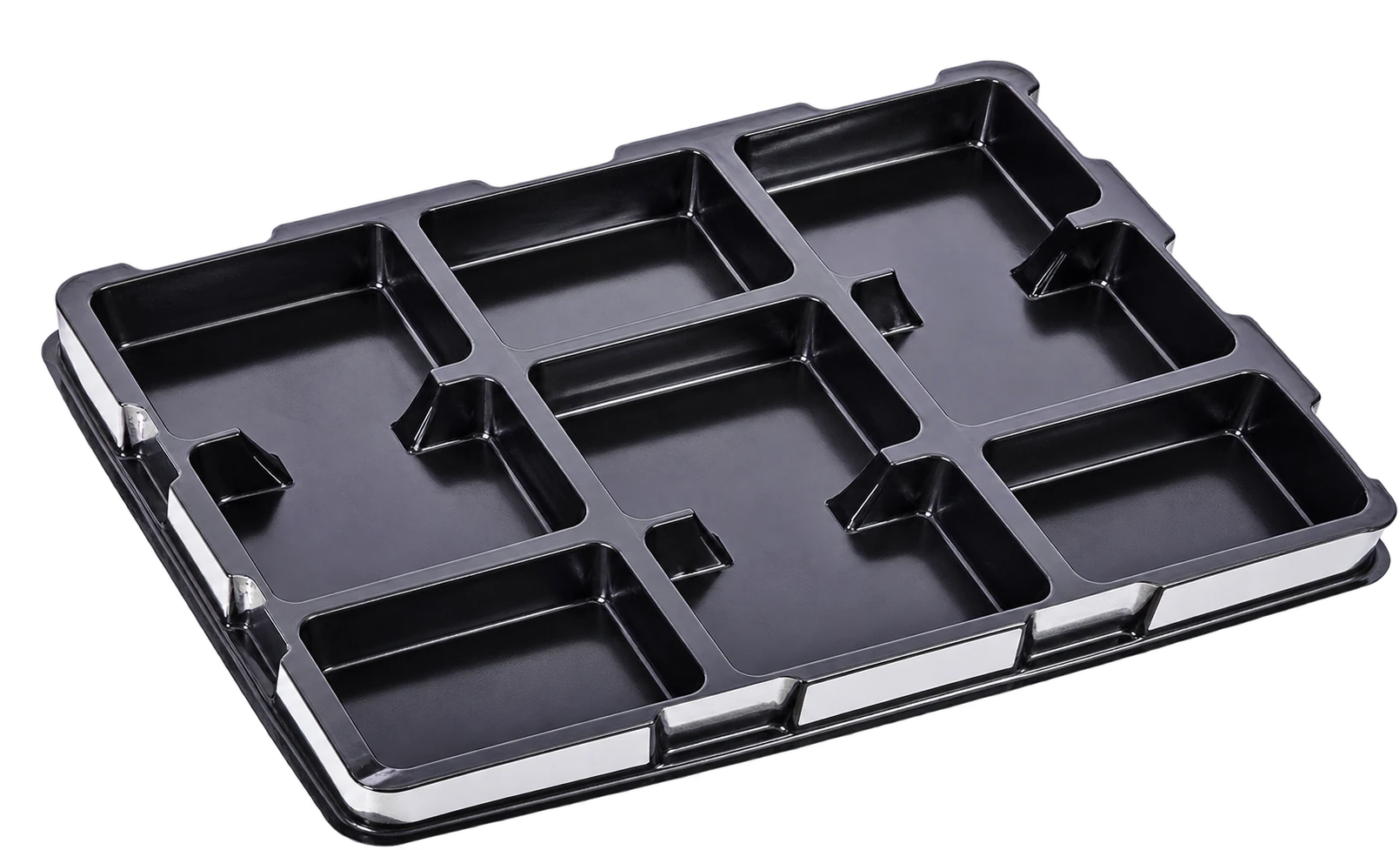
Car battery housing 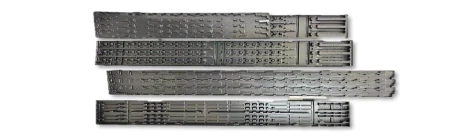
New-energy large tray, 2.5 m × 1.1 m 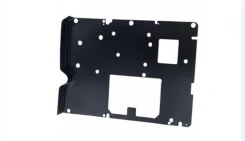
Formed insulating cover, new energy 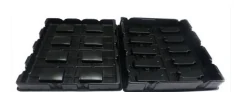
Formed tray for new-energy batteries
Photos are from FUNYO’s company profile; the caption identifies the thermoformed part. Images labelled “Illustration” are AI-generated. Photos labelled “Reference” show similar products to explain component forms; they are not FUNYO delivery cases.
Thermoforming compared with other processes
Separate the jobs first,
then talk material performance.
A “housing” does several jobs. What we deliver directly, and what the complete unit must verify:
Send drawings, answer in 2 working days| Job | Heavy-gauge part delivers | Confirmed on the complete unit |
|---|---|---|
| Appearance and cover | Shape, openings and service access machined to drawing | Installation position and appearance requirements |
| Load and support | Interfaces between housing and frame | Load path, frame and connection design |
| Insulation and flame retardance | Material chosen to the target rating; samples made | Material certificates and system testing |
| Water and sealing | Sealing faces and openings machined to drawing | Seals and the system's protection-rating test |
Splitting the jobs gives material choice and testing a clear boundary.
Assembly, access and interface design
Installed against a wall,
the service cover still has to open.
A cover that opens on the bench may not open between a wall and the next cabinet. We check service access in the installed layout:
Site boundaries
Walls, neighboring equipment and cable runs go into the layout before cover positions are fixed.
Needed: site layout drawing
Cover movement
Opening direction, swing range and where a removed cover is set down are tested on the sample.
Confirmed: opening envelope and working space
Modules and cables
Module replacement paths and cable entry directions are decided together with the enclosure split.
Confirmed: module removal and cable routes
Sheet materials and project requirements
Where it's installed
decides what to ask of the material.
8–10 mm sheet is typical, up to 15 mm.
Heavy-gauge thermoforming| Outdoor chargers | A weatherable grade or surface treatment, sourced per project and checked on samples for color change. |
|---|---|
| Flame retardance | Tell us the target (for example UL 94); we choose a matching flame-retardant grade, confirmed by material certificates and system tests. |
| Indoor storage and power equipment | ABS is most common; PC where impact resistance is needed. |
| Battery packaging and handling | Static-dissipative grades; FUNYO has promoted permanent anti-static trays since 2014. |
Exact grade, formed condition and end use each need their own confirmation.
Factory, CNC trimming and inspection
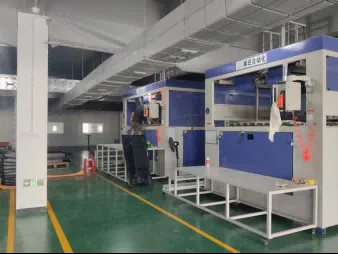
Forming, trimming, inspection:one plant in Zhuhai.
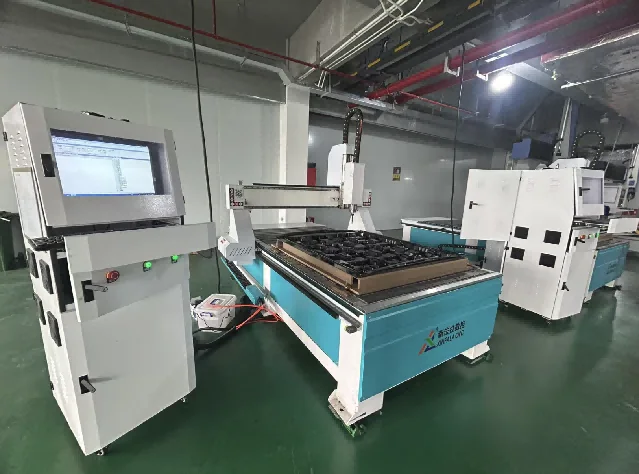
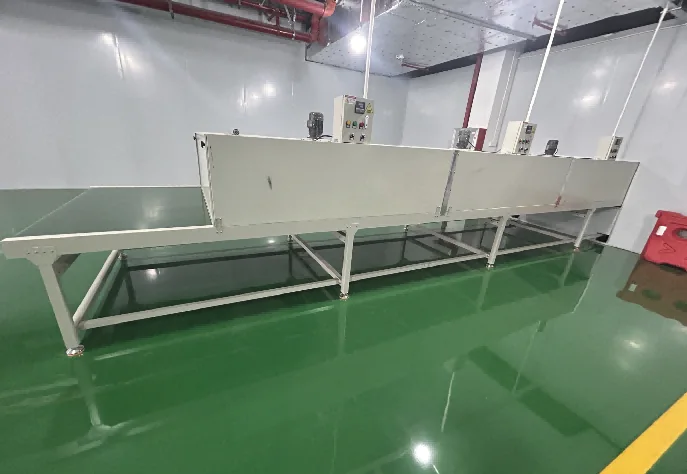
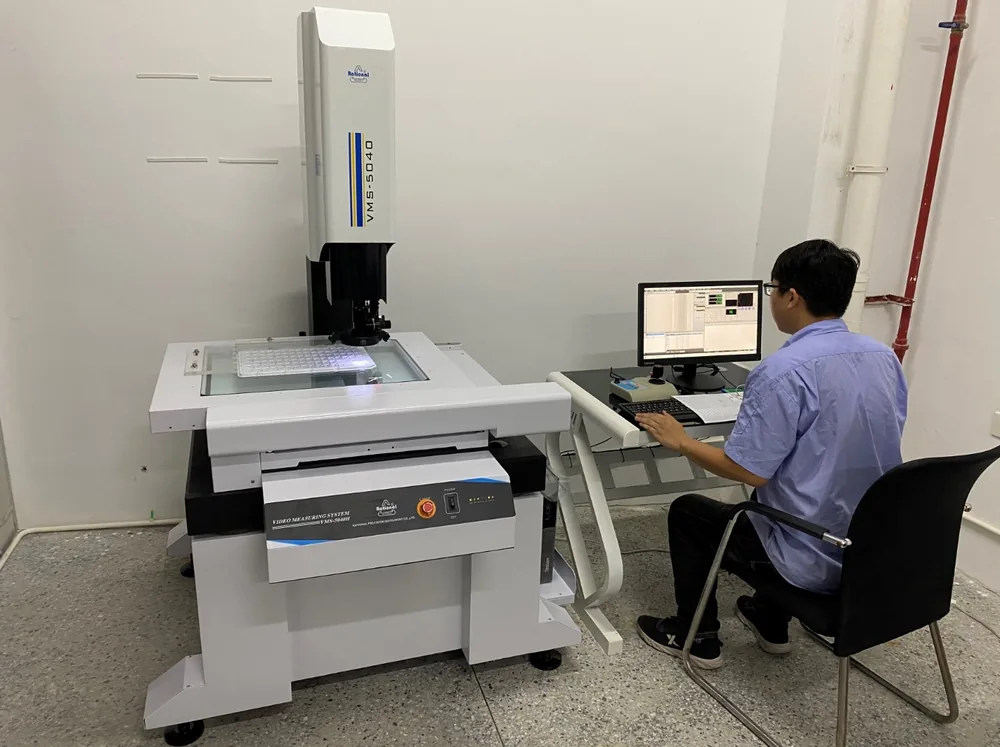
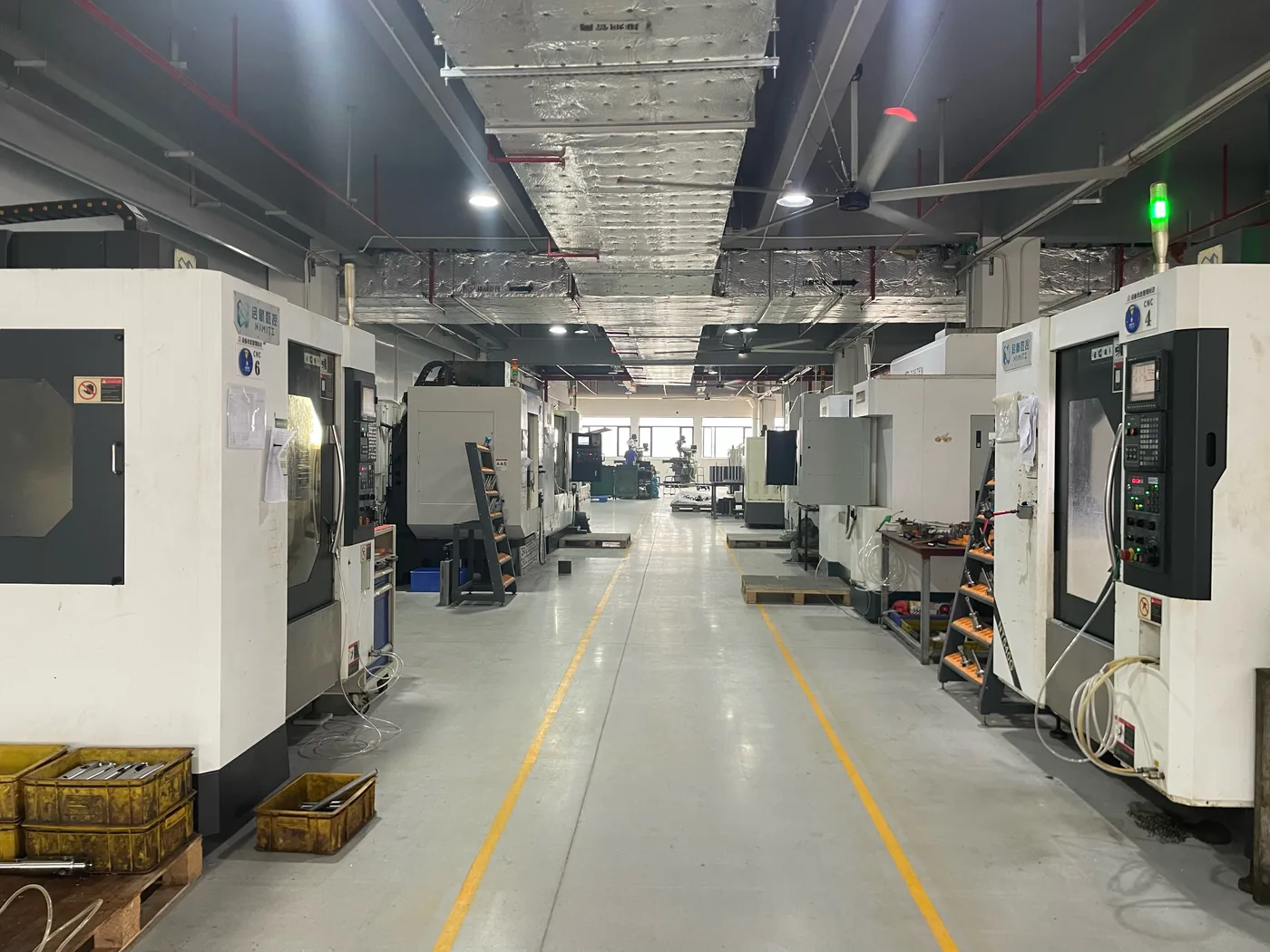
FUNYO started in precision machining in 2004 and has been thermoforming since 2013. Heavy-gauge forming, CNC trimming and dimensional inspection all happen in our Doumen plant, and we machine our own forming tools, so revisions don't wait on outside shops.
Facts you can check
- 2004
- Founded; 20+ years of precision machining
- 2005
- Became a tier-1 supplier to Gree
- ISO 9001 · 14001
- Quality and environmental management certified
- 2024
- Recognized as a High-Tech Enterprise
- ABS · PET/PS
- Own plant for thermoforming sheet
- 4 hours
- Response to design requests
Selected long-term customers













These relationships cover precision formed trays, CNC parts and other work. Listed in no particular order.
Lead time from drawing to delivery
From drawing to production,
and how long each step takes.
Typical timings. Complex parts or special materials get a specific schedule when we quote.
- Within 4 hours
Response
An engineer contacts you to confirm use, size and quantities.
- 2 working days
Evaluation and quote
We tell you whether heavy-gauge fits and quote it side by side with injection molding.
- About 1–3 weeks
Tooling
After design review we machine the forming tool in-house.
- By complexity
Samples
Formed, trimmed and drilled, then fitted to your frame or mating parts.
- Per order
Production
Checked against the approved sample for size and finish, then packed and shipped.
Thermoforming for ev, battery & energy systems: FAQ
Bring the part's job,
and the installation site.
Tell us what the part has to do, then send the equipment and site layout; we'll evaluate material, forming and machining.
FAQ
Can thermoforming be evaluated for ev, battery & energy systems at 300–3,000 units per year?
300–3,000 units is a quoting scenario, not a break-even threshold. Compare part size, assembly, material, tooling and unit costs before selecting a process.
What size and sheet thickness are available for ev, battery & energy systems?
The maximum single part is 2600 × 1600 × 600 mm, with sheet up to 15 mm. Housings commonly use 8–10 mm sheet. Finished dimensions depend on geometry and trimming allowance.
Which sheet grades should I specify for ev, battery & energy systems?
ABS, PC, PVC, PETG and PP can be formed. PC or PETG can be evaluated for transparent parts. PE, weatherable, flame-retardant and antistatic grades are sourced and sampled for the project.
How long does tooling for ev, battery & energy systems take?
Forming tooling costs under 1/10 of a comparable injection mold and takes about 1–3 weeks. Comparable injection molds take about 6–10 weeks. Confirm the scope against the drawing and material.
What should I send for a 2-working-day thermoforming assessment for ev, battery & energy systems?
Send drawings or photos, dimensions, annual and first-order quantities, assembly interfaces and operating conditions. We respond in 4 hours and provide the applicability assessment and comparison quote in 2 working days.
Last updated:
Web Design & GEO by RUXO Studio